UCP 200 Series vs 300 Series: What Is the Difference?
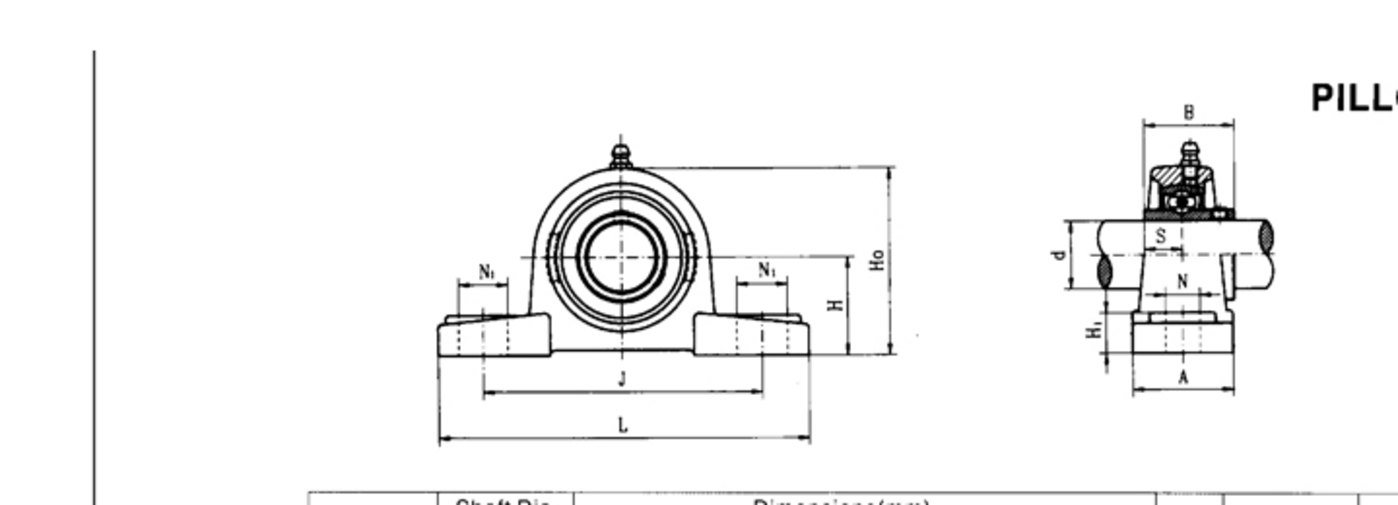
UCP 200 and 300 series are different size families, not simple strength grades that can be swapped without changing the machine. For the same nominal bore, a 300-series insert and housing generally use a larger outside envelope and heavier construction, so centre height, bolt spacing, housing width and bearing ratings can all change.
The decision to move from a 200 series to a 300 series should therefore come from the required bearing life, load, shock and machine geometry rather than the assumption that “300 is better.”
What the series number tells you
The first size digit places the bearing in a dimensional family. A 200-series unit is the common general-purpose range used across many conveyors and machines. A 300-series unit uses a larger bearing section for comparable bore ranges and is considered where the duty or existing machine was designed around that heavier geometry.
Why the same bore does not mean the same housing
Changing series can move the shaft centreline and mounting holes. If a machine was drilled for UCP205, a UCP305 is not a drop-in “stronger 25 mm UCP” unless the full drawing says the housing interface matches—which it normally should not be assumed to do.
Load ratings must be checked by exact insert
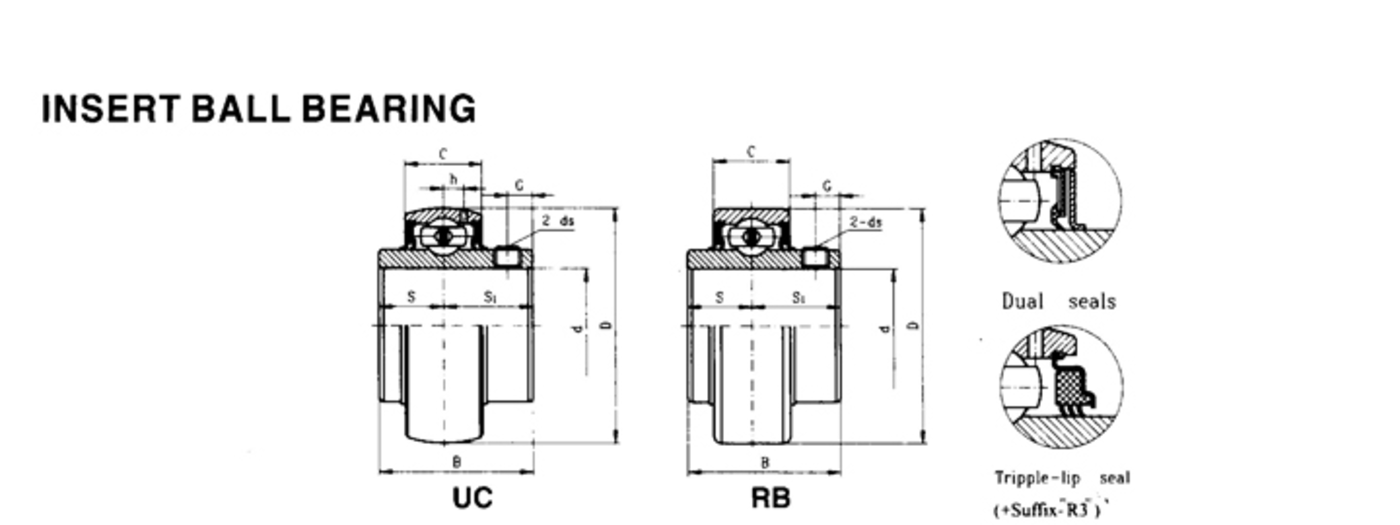
The dynamic and static ratings are properties of the exact insert-bearing size and design. It is reasonable to expect a larger bearing section to carry higher ratings, but do not use a generic percentage increase across the series. Compare the actual C and C0 values for the candidate bearings and then calculate life from the machine load and speed.
When to review a 300-series unit
- The calculated life of the selected 200-series insert is below the required service target.
- The application has heavier radial load or shock than the existing general-purpose unit was selected for.
- The machine is already designed around a 300-series housing and replacing it with a smaller family would change the shaft line.
- A new machine design has enough space for the larger housing and benefits from the larger bearing section.
When staying with the 200 series makes more sense
If the load and life calculation are adequate, the machine already uses the 200-series mounting envelope and service experience is good, upsizing can add weight and require redesign with no buyer benefit. Maintain the original shaft centre height and bolt pattern unless a design change is intentional.
Selection checklist
| Check | 200 vs 300 decision |
|---|---|
| Bore | Same nominal bore does not guarantee same outside geometry |
| Centre height / bolt spacing | Must be compared from drawings |
| Dynamic/static rating | Use exact insert values |
| Shock / contamination | May justify a different family or seal, not only a larger series |
| Space / guards | 300-series housing may require more room |
| Replacement scope | Confirm whether the machine is being repaired or intentionally redesigned |
Series number is not a load guarantee
The 300 series generally uses larger bearing geometry than the corresponding 200-series bore, but a buyer still needs the actual load ratings, speed, housing dimensions and machine interface for the selected model. A heavier series can also require more centre height, larger bolt spacing and more surrounding space. Upsizing therefore affects the machine, not only the bearing.
Compare the same bore side by side
When considering EP-UCP205 versus an EP-UCP305-type size, build a comparison around bore, insert outside diameter, width, housing centre height, base footprint, bolt size, dynamic/static ratings and mass. If the heavier housing does not fit the existing base, the change may require a redesign. If the current bearing failed from contamination or misalignment, a larger series may not solve the root cause.
When an upgrade is justified
Use a life/load calculation or machine-design requirement to justify the change. Heavy shock, higher required life or a revised shaft can support a larger series decision. Keep installation, sealing and lubrication improvements in the review at the same time.
Need a model checked against your machine? Send the dimensions with your RFQ.