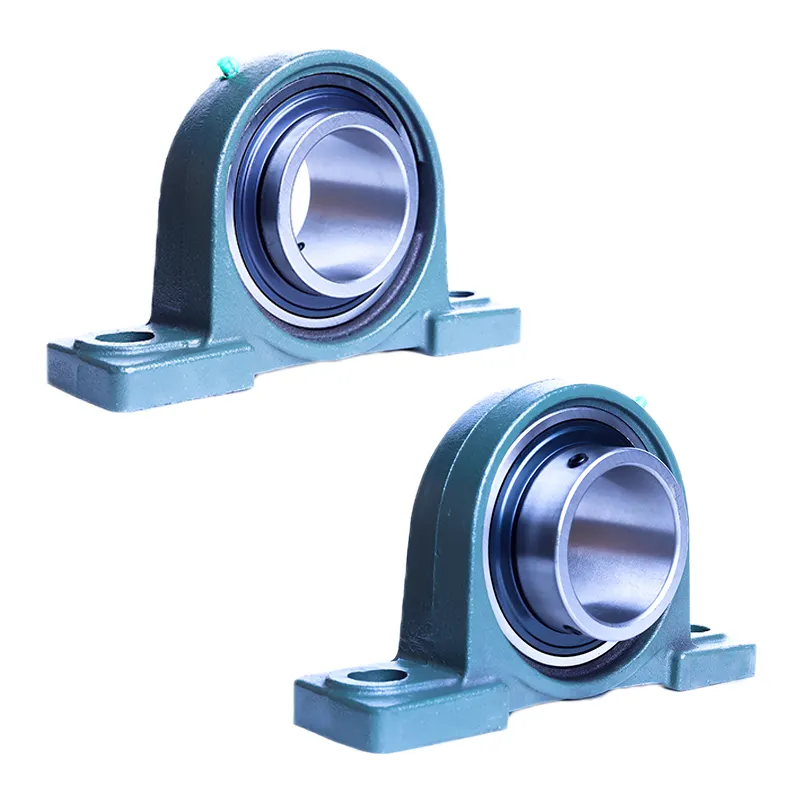
How to identify the size and specifications of a UCP bearing?
Identifying the size and specifications of a UCP bearing, also known as a pillow block bearing, requires examining various parameters and markings on the bearing itself or referring to manufacturer documentation. Here’s a detailed explanation of how to identify the size and specifications of a UCP bearing:
1. Bearing Markings: Start by inspecting the bearing for any markings or labels that provide information about its size, type, and specifications. Common markings may include the manufacturer’s logo or name, bearing model or part number, and any relevant standards or certifications. These markings can help identify the specific UCP bearing and provide a starting point for gathering further information.
2. Dimensions: Determine the dimensions of the UCP bearing, including the bore diameter (inner diameter), outer diameter, and overall width. These dimensions are typically specified in millimeters (mm) or inches (in). Measuring the bearing with calipers or using a ruler can help determine its size. Alternatively, the dimensions can be obtained from manufacturer catalogs, datasheets, or online resources.
3. Pillow Block Type: UCP bearings come in various pillow block types, such as UCP200 series or UCP300 series, which indicate different design variations and size ranges. The pillow block type is often indicated in the bearing model or part number. Identifying the specific series or type helps in selecting compatible components and determining the bearing’s load capacity and performance characteristics.
4. Load Capacity and Ratings: The load capacity and ratings of a UCP bearing are crucial specifications to consider for proper application. They indicate the maximum allowable radial and axial loads that the bearing can withstand. Load capacity information is typically provided by the manufacturer and can be found in bearing catalogs or technical documentation. It is important to ensure that the bearing’s load capacity meets the requirements of the application to prevent premature failure.
5. Lubrication: Determine the lubrication requirements of the UCP bearing. This includes identifying the recommended lubricant type, such as grease or oil, as well as the appropriate amount and frequency of lubrication. Lubrication information is often provided by the manufacturer and can be found in bearing documentation or technical specifications.
6. Sealing and Shielding: Check if the UCP bearing has any seals or shields to protect against contamination and retain lubrication. The type of seal or shield used can impact the bearing’s performance in different environments. Common seal types include rubber seals, metal shields, or labyrinth seals. The sealing arrangement may be indicated in the bearing model or part number, or it can be obtained from manufacturer documentation.
7. Manufacturer Documentation: Consult the manufacturer’s documentation, such as catalogs, datasheets, or technical manuals, for detailed information about the UCP bearing’s size, specifications, and performance characteristics. Manufacturer resources provide comprehensive information and ensure accurate identification of the bearing.
It’s important to note that the identification process may vary depending on the manufacturer and specific bearing model. If you encounter difficulties or require precise information, contacting the bearing manufacturer, distributor, or a knowledgeable expert in the field can provide further guidance and assistance in identifying the size and specifications of a UCP bearing.
Taking accurate measurements, referring to bearing markings, and utilizing manufacturer resources are key steps in correctly identifying and selecting the appropriate UCP bearing for a given application.
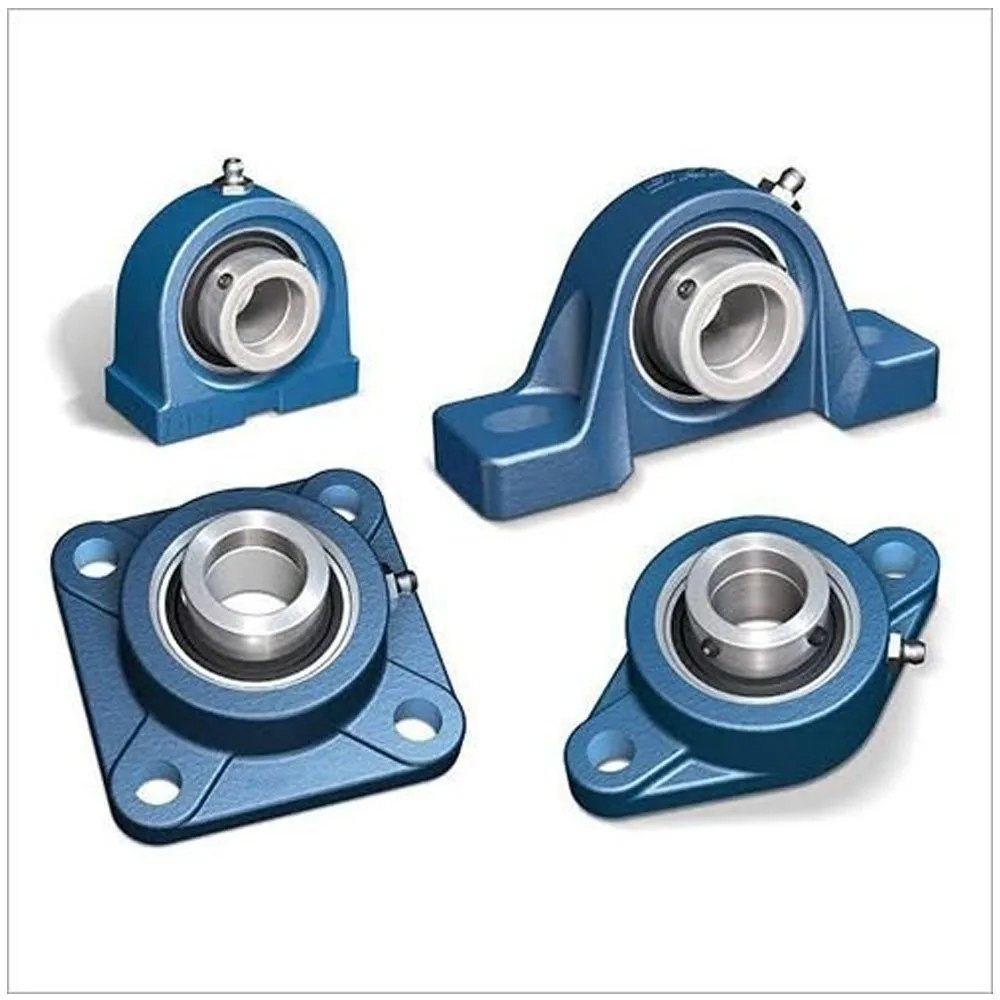
How to maintain and lubricate UCP bearings?
Proper maintenance and lubrication are essential for ensuring the optimal performance and longevity of UCP bearings, also known as pillow block bearings. Regular maintenance helps prevent premature wear, reduce friction, and minimize the risk of bearing failure. Here’s a detailed explanation of how to maintain and lubricate UCP bearings:
- Cleanliness: Keep the surrounding area clean to prevent the ingress of dirt, dust, or other contaminants that can compromise the bearing’s performance. Regularly inspect the bearing and its housing for any signs of dirt or debris and clean them using a suitable cleaning agent and a cloth.
- Lubrication: Lubrication plays a crucial role in reducing friction and preventing metal-to-metal contact within the bearing. Follow these steps for proper lubrication of UCP bearings:
- Choose the right lubricant: Select a lubricant recommended by the bearing manufacturer that suits the operating conditions and temperature range of the application. Common lubricants used for UCP bearings include grease and oil.
- Clean the bearing: Before applying fresh lubricant, clean the bearing to remove any old or contaminated lubricant. Use a suitable cleaning agent and a cloth to wipe the bearing surfaces.
- Apply lubricant: Follow the manufacturer’s guidelines to apply the lubricant to the bearing. For greased bearings, ensure that the entire cavity between the inner and outer races is filled with grease. For oil lubrication, use the appropriate oiling method, such as oil bath or oil mist, as recommended by the manufacturer.
- Reapply lubricant: Regularly monitor the lubricant level and condition. If necessary, replenish or replace the lubricant to maintain the optimal lubrication state. The frequency of lubrication depends on the operating conditions and the manufacturer’s recommendations.
- Temperature and environment: UCP bearings should operate within the recommended temperature range specified by the manufacturer. Excessive heat or extreme cold can affect the lubricant’s properties and lead to premature bearing failure. Additionally, protect the bearing from exposure to corrosive substances or excessive moisture, as these can degrade the lubricant and cause damage to the bearing surfaces.
- Regular inspections: Conduct regular inspections of the UCP bearings to identify any signs of wear, damage, or abnormal operating conditions. Look for indications such as noise, vibration, increased friction, or overheating. If any issues are detected, take corrective measures promptly, such as replacing damaged bearings or adjusting the lubrication regimen.
- Follow manufacturer guidelines: Always refer to the manufacturer’s documentation and guidelines for specific maintenance and lubrication instructions. Manufacturers often provide detailed recommendations based on their bearing designs and materials, as well as the intended applications.
By following these maintenance and lubrication practices, you can ensure the optimal performance and extend the service life of UCP bearings in your applications.
Please note that the specific maintenance and lubrication requirements may vary depending on the bearing manufacturer, design, and operating conditions. Always consult the manufacturer’s documentation and guidelines for the most accurate and detailed instructions.
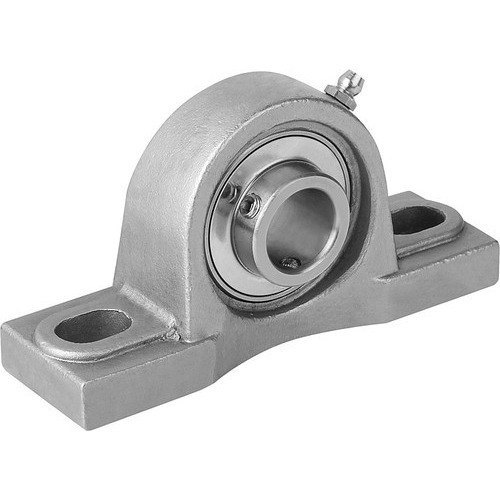
Who are the leading manufacturers of UCP bearings?
Several leading manufacturers specialize in producing high-quality UCP bearings, also known as pillow block bearings. These manufacturers have a strong reputation for their expertise in bearing manufacturing and offer a wide range of UCP bearing options. Here’s a detailed explanation of some of the leading manufacturers of UCP bearings:
- SKF: SKF is a renowned global manufacturer of bearings and related products. They offer a comprehensive range of UCP bearings that are known for their reliability, performance, and durability. SKF’s UCP bearings are designed to meet various industrial requirements and are available in different sizes and configurations.
- NSK: NSK is a well-established manufacturer of bearings, including UCP bearings. They have a strong presence in the market and are known for their high-quality and precision-engineered products. NSK’s UCP bearings are designed to provide excellent performance in diverse applications and are available in various sizes and materials.
- NTN: NTN is a trusted manufacturer of bearings and precision products. They offer a wide range of UCP bearings that are known for their quality, reliability, and long service life. NTN’s UCP bearings are designed to meet industry standards and are available in different sizes and configurations to suit various applications.
- Timken: Timken is a reputable manufacturer of bearings and power transmission products. They manufacture UCP bearings that are known for their robustness, precision, and exceptional performance. Timken’s UCP bearings are designed to withstand heavy loads and harsh operating conditions, making them suitable for a wide range of industrial applications.
- FAG: FAG, part of the Schaeffler Group, is a leading manufacturer of bearings and related products. They offer a diverse range of UCP bearings that are known for their high-quality construction and superior performance. FAG’s UCP bearings are designed to meet demanding industrial requirements and are available in various sizes and designs.
These are just a few examples of leading manufacturers of UCP bearings. Other reputable manufacturers in the industry include Koyo, Nachi, RHP, and FYH, among others. It’s worth noting that the availability and popularity of specific manufacturers may vary depending on your location and industry requirements.
When selecting a UCP bearing, it’s important to consider factors such as product quality, reliability, technical support, and availability. Consulting with local distributors, reviewing manufacturer catalogs, and considering customer reviews can help you make an informed decision about the most suitable manufacturer for your specific needs.
In summary, leading manufacturers of UCP bearings include SKF, NSK, NTN, Timken, and FAG, among others. These manufacturers are known for their high-quality products and extensive expertise in bearing manufacturing.


editor by lmc 2024-11-27