Pillow Block Bearing Failure Analysis: 7 Common Causes and How to Prevent Them
A failed pillow-block bearing is rarely explained by the final visible damage alone. Heat, noise, corrosion, a loose inner ring or a cracked housing can be the end result of an earlier problem in lubrication, contamination, shaft fit, alignment or mounting.
The most useful troubleshooting process separates the symptom from the cause, records the machine condition before disassembly and then checks the installation details that can be corrected before the new unit is fitted.
1. Premature wear and short life
Contamination, unsuitable lubricant, overload and incorrect alignment can all accelerate rolling-contact wear. Inspect the grease and seal area before cleaning the failed bearing; dirt or water tracks often explain more than the worn raceway after everything has been wiped clean.
2. Inner ring spinning on the shaft
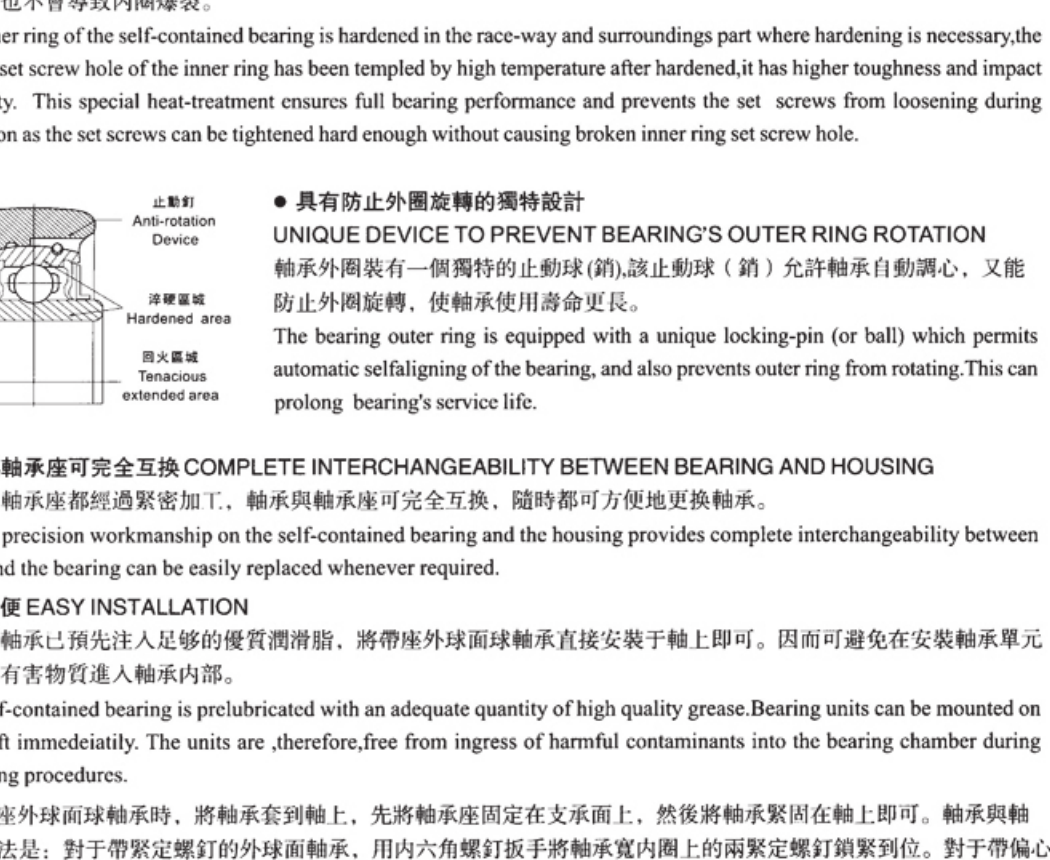
A loose shaft fit or under-tightened locking system can allow the inner ring to move relative to the shaft. Look for polished or fretted shaft marks around the locking area. Correct the shaft condition and apply the locking method at the specified torque rather than simply installing another bearing on the damaged surface.
3. Overheating
Excess grease, incompatible grease, excessive speed, misalignment and overloading can all produce heat. Temperature that rises rapidly after lubrication is a reason to check grease quantity and bearing free rotation. Do not assume that adding more grease is the cure for a hot bearing.
4. Vibration and abnormal noise
Loose mounting, contamination, damaged rolling surfaces and a misaligned shaft can each produce vibration. Compare the bearing point with similar positions on the machine if vibration monitoring is available. A change in vibration trend is more informative than one isolated reading with no baseline.
5. Seal damage or grease leakage
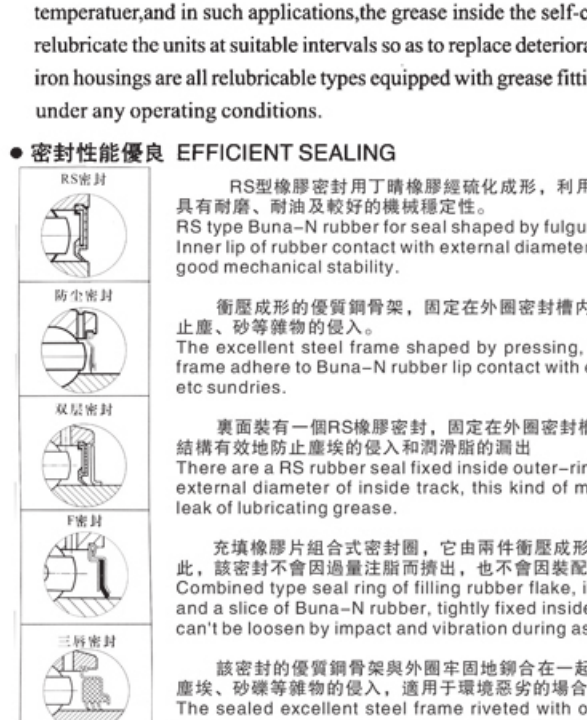
Mechanical contact, wrong shaft position, heat and chemical exposure can damage the seal. Check whether the chosen seal and housing material suit dust, mud, washdown or solvent exposure. Replacing the insert without correcting the environment repeats the same failure mechanism.
6. Housing cracking
A casting can crack if it is hammered into position, clamped onto a severely uneven base or overloaded by mounting bolts used to pull a distorted structure flat. Inspect the base before installing the replacement and avoid using the housing as a structural alignment tool.
7. Corrosion
Moisture, aggressive cleaners and long storage periods can attack the housing or insert. Where corrosion is recurring, the material decision may need to change: an engineering-plastic housing, corrosion-resistant insert or other configuration can be reviewed alongside the actual chemical and temperature exposure.
Turn failure analysis into a replacement plan
| Symptom | Likely checks before replacement |
|---|---|
| Short life | Load, grease, contamination, seal and alignment |
| Spun inner ring | Shaft diameter/condition and lock torque |
| Heat | Grease quantity/type, speed, alignment and load |
| Noise/vibration | Mounting, contamination, race damage, shaft condition |
| Seal leakage | Seal damage, chemistry, speed and shaft position |
| Cracked housing | Base flatness, bolt loading, impact and overload |
| Corrosion | Water/chemical exposure and material selection |
Diagnose before replacing
Failure analysis is most valuable when the old bearing is inspected before it is discarded. Photograph the seals, race surfaces, shaft locking area and housing feet. Record where grease escaped, where corrosion entered and whether fasteners were loose. Temperature or vibration trends from before the failure can reveal whether the damage developed gradually or followed a sudden machine event.
Symptom-to-check matrix
| Observed symptom | Checks to make before selecting a new unit |
|---|---|
| Inner ring spun on shaft | Measure shaft, inspect set-screw/collar contact, verify locking procedure |
| Overheating | Alignment, grease quantity/type, speed, load, seal drag |
| Repeated seal damage | Contaminant path, shaft surface, speed, washdown/chemical exposure |
| Housing cracking | Mounting flatness, bolt tightening, impact, structural load path |
| Corrosion | Water source, cleaning chemistry, material and maintenance |
Use the failure mode in the next RFQ
Include the failure symptom with the machine data. A buyer asking for the same model plus “failed after six months” gives the supplier less useful information than a buyer who adds shaft condition, contamination, alignment observations and photos. Those details can change the recommended housing, locking, sealing or maintenance approach.
Need a model checked against your machine? Send the dimensions with your RFQ.