OEM Bearing Units: How to Order Custom Bore, Housing Color, and Private Label Bearings
An OEM bearing-unit enquiry adds product-identification and customization requirements to the normal engineering selection. Bore, housing, seal and material still have to suit the machine, while marking, color and packaging have to fit the buyer’s brand and supply-chain process.
The most efficient approach is to separate functional requirements from branding requirements in the RFQ so both can be reviewed without losing technical control.
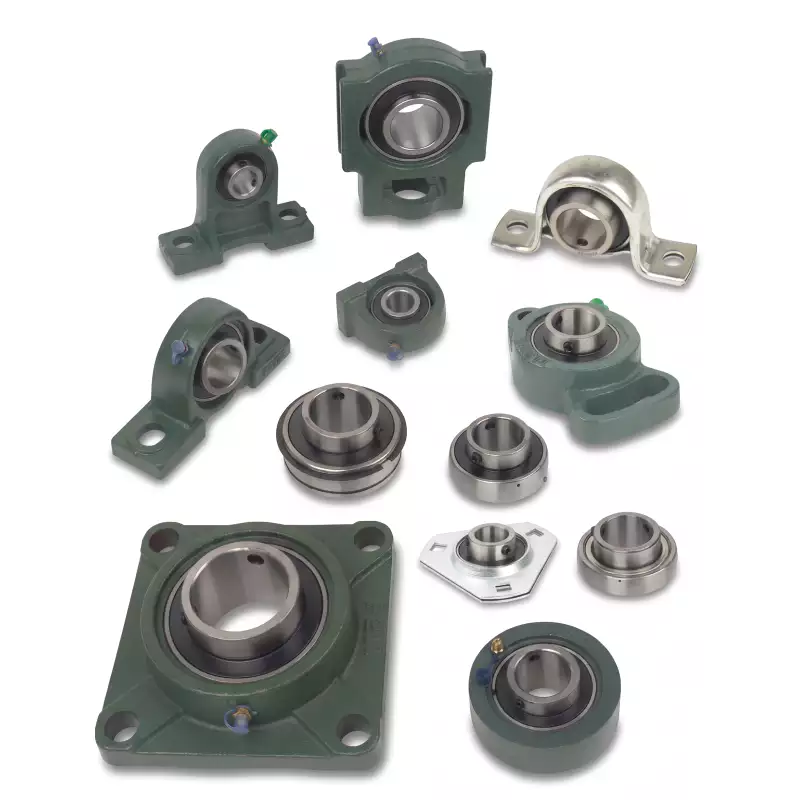
Start from a standard housing and insert family
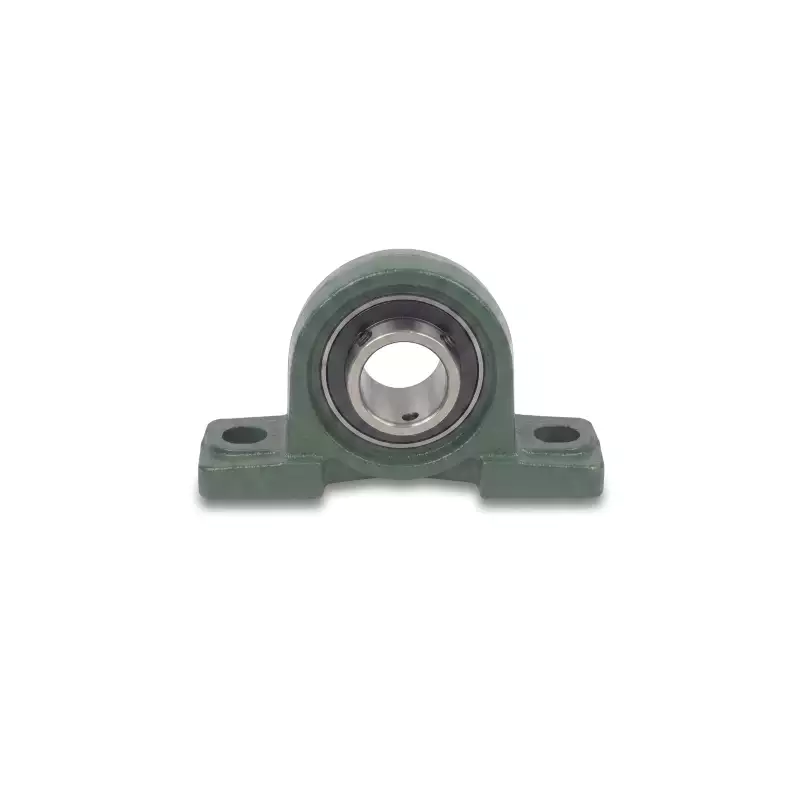
Identify whether the project needs a pillow block, square flange, oval flange, round cartridge, take-up or insert-only product. Then specify the shaft size, mounting dimensions, locking method and environment. A custom color or label does not make an incorrect base model fit the machine.
Custom bore requests
The planning brief includes non-standard bore sizes as a customization direction. If the shaft is not a standard catalogue diameter, send the exact bore, shaft tolerance, load, speed and quantity together with a drawing. The supplier should confirm whether the request can be made within the intended insert and housing geometry rather than assuming any intermediate bore can be produced safely.
Housing color
Green is common on conventional cast housings, while black, gray or a buyer-specific color may be requested for product-line identification. Specify the color standard or approved sample, surface-preparation expectation and whether the color is functional or purely brand-related. Corrosion requirements should be stated separately from paint color.
Private label and packaging
Brand marking can involve labels, laser or permanent marking depending on the product and agreed process. Packaging can be neutral or buyer-branded. Provide the exact artwork, language, barcode/part-number structure and packaging hierarchy required for inner box, carton and pallet identification.
Special materials, seals and grease
Requests for stainless inserts, engineering-plastic housings, heavier contamination seals or a specific lubricant should be written as technical requirements. Do not bundle them into the phrase “OEM version,” because each one can change the application suitability and documentation scope.
What a complete OEM RFQ should contain
| RFQ group | Information to provide |
|---|---|
| Bearing function | Family/model, bore, load, speed, locking, seal, environment |
| Machine interface | Housing drawing or centre height / bolt pattern / envelope |
| Customization | Color standard, marking artwork, label placement |
| Packaging | Box/carton artwork, barcode, language and pack quantity |
| Quality records | Drawing approval, inspection/documentation requirements |
| Commercial scope | Quantity, destination and requested shipment terms |
Custom bearing orders need an approval drawing
Custom bore, housing colour, marking and packaging can all be specified, but the buyer should freeze the technical configuration before production. A controlled drawing or specification should identify bore, housing family, locking method, seal / material options, marking location and packaging. Visual branding changes should never obscure the model identity needed for maintenance.
Separate cosmetic and functional customization
| Customization | Technical risk level | What to approve |
|---|---|---|
| Housing colour / packaging | Mostly presentation | Colour standard, coating, label and carton artwork |
| Private label / marking | Identification-critical | Model traceability and permanent marking content |
| Custom bore | Functional interface | Bore tolerance, shaft fit, insert geometry and test sample |
| Seal / material / lubricant | Functional / environmental | Material specification, duty and documentation |
First-article control
For a functional custom change, approve a sample or first article against the drawing and actual machine before repeat orders. Keep the approved revision with the purchasing record so a future order does not rely on an email description such as “same green housing as before.”
Need a model checked against your machine? Send the dimensions with your RFQ.