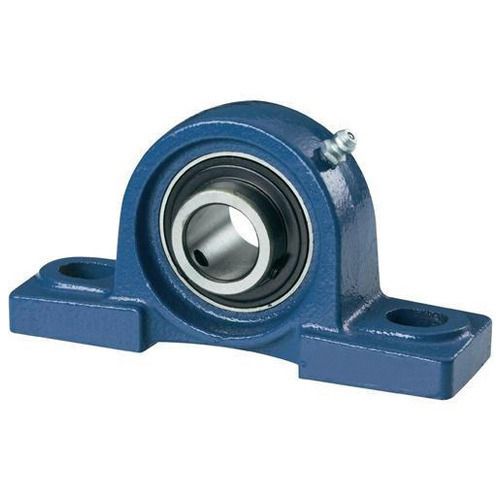
What is the temperature tolerance of UCP bearings?
The temperature tolerance of UCP bearings, also known as pillow block bearings, can vary depending on several factors, including the bearing materials, lubrication, and seal design. Here’s a detailed explanation of the temperature tolerance of UCP bearings:
1. Bearing Materials: The materials used in the construction of UCP bearings play a significant role in determining their temperature tolerance. Common materials for UCP bearings include chrome steel, stainless steel, and cast iron. Chrome steel bearings typically have a higher temperature tolerance compared to stainless steel or cast iron bearings. Specialty materials such as heat-resistant alloys or ceramics may be used for UCP bearings intended for extremely high-temperature applications.
2. Lubrication: Proper lubrication is crucial for maintaining the temperature tolerance of UCP bearings. Lubricants help reduce friction, dissipate heat, and protect bearing surfaces. The choice of lubricant depends on the operating temperature range. Standard greases and oils are suitable for moderate temperature applications. For higher temperatures, synthetic lubricants or specialty high-temperature greases may be recommended to ensure adequate lubrication and thermal stability.
3. Seal Design: The seal design of UCP bearings can affect their temperature tolerance. Seals help prevent contaminants from entering the bearing and retain the lubricant. Different seal materials and designs have varying temperature limits. Common seal materials include rubber, metal, or felt. High-temperature seals or shields may be used to enhance the temperature tolerance of UCP bearings in demanding applications.
Generally, UCP bearings can handle a wide range of temperatures. Standard UCP bearings typically have a temperature range of -20°C to +120°C (-4°F to +248°F). However, it’s important to note that these temperature limits are approximate and can vary depending on the specific bearing design, materials, lubrication, and operating conditions.
For applications with higher temperature requirements, specialized high-temperature UCP bearings are available. These bearings are designed to withstand elevated temperatures and may have temperature limits ranging from 150°C to 350°C (302°F to 662°F) or even higher, depending on the specific design and materials used.
It’s crucial to consult the manufacturer’s documentation, specifications, or technical support to determine the exact temperature tolerance of a specific UCP bearing model. Proper selection and application of UCP bearings within their temperature limits help ensure reliable performance, prevent premature wear or failure, and contribute to the longevity of the bearing and the machinery it supports.
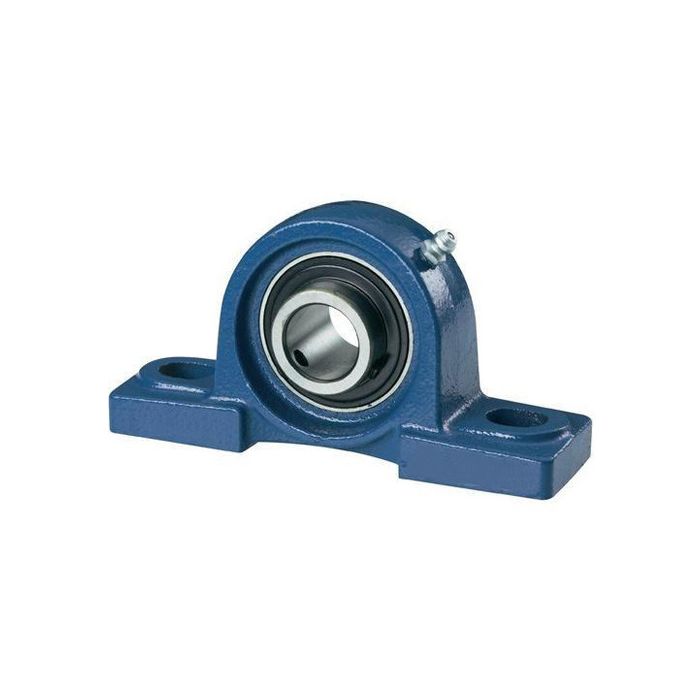
What materials are UCP bearings made of?
UCP bearings, also known as pillow block bearings, are manufactured using various materials to meet specific performance requirements and application needs. The materials used for UCP bearings include:
- Bearing Housing: The bearing housing, which provides the outer structure and support for the bearing, is typically made of materials such as cast iron, ductile iron, or cast steel. These materials offer excellent strength, rigidity, and durability, making them suitable for handling heavy loads and withstanding demanding operating conditions.
- Bearing Insert: The bearing insert, also known as the inner ring or the rolling element, is made of different materials depending on the application requirements. Common materials used for bearing inserts include:
- Chrome Steel: Chrome steel, also known as bearing steel, is a widely used material for bearing inserts. It offers good hardness, toughness, and wear resistance, making it suitable for a broad range of applications.
- Stainless Steel: Stainless steel bearing inserts are used when corrosion resistance is a priority. Stainless steel offers excellent resistance to moisture, chemicals, and other corrosive substances, making it suitable for applications in harsh or corrosive environments.
- Ceramic: Ceramic bearing inserts, typically made of materials such as silicon nitride or zirconia, are used in specialized applications that require high-speed operation, extreme temperature resistance, or electrical insulation properties. Ceramic inserts offer low friction, high stiffness, and resistance to wear and corrosion.
- Thermoplastic: Thermoplastic bearing inserts, often made of materials like polyamide or PBT (polybutylene terephthalate), are used in applications where lightweight, chemical resistance, or low noise operation is required. Thermoplastic inserts can offer good load-bearing capacity and self-lubricating properties.
The specific material selection for UCP bearings depends on factors such as load capacity, operating conditions, environmental factors, and cost considerations. It’s important to consult the manufacturer’s documentation or specifications for the specific material options available for a particular UCP bearing model.
In summary, UCP bearings are typically made of materials such as cast iron, ductile iron, or cast steel for the housing, while the bearing insert can be made of materials like chrome steel, stainless steel, ceramic, or thermoplastic. The choice of materials depends on the specific application requirements and the desired performance characteristics.
How is a UCP bearing different from other types of bearings?
A UCP bearing, also known as a pillow block bearing, has distinct characteristics that set it apart from other types of bearings. While bearings serve the common purpose of facilitating motion and reducing friction, UCP bearings have specific design features that make them unique. Here’s a detailed explanation:
1. Pillow Block Design: One key difference is the design of the housing. UCP bearings have a pillow block design, which refers to the shape of the housing. The housing is typically a solid, one-piece structure shaped like a pillow or block, with a flat base and mounting holes. This design allows for easy installation and mounting on a support structure or machine.
2. Mounted Bearing: UCP bearings are mounted bearings, meaning they are preassembled units that combine a bearing unit with a housing. The bearing unit consists of a rolling element bearing, such as a ball bearing or a roller bearing, which enables smooth and low-friction motion. The housing provides support and protection for the bearing unit.
3. Support Structure: UCP bearings are commonly used in applications where a shaft needs to be supported and allowed to rotate or move linearly. The housing of a UCP bearing serves as a support structure for the bearing unit and provides a stable platform for the shaft to operate.
4. Easy Installation: UCP bearings are designed for easy installation. The housing’s flat base and pre-drilled mounting holes allow for straightforward attachment to a support structure or machine. This ease of installation simplifies the setup process and reduces downtime.
5. Application Versatility: UCP bearings are widely used in various applications across different industries. They are commonly found in conveyor systems, agricultural machinery, industrial equipment, HVAC systems, and more. The versatility of UCP bearings makes them suitable for a range of motion control and power transmission applications.
6. Specific Load Capacity: UCP bearings have specific load capacity ratings depending on the type and size of the bearing unit used within the UCP assembly. These bearings can support both radial and axial loads, allowing them to accommodate different load requirements in various applications.
7. Protection and Contamination Resistance: The housing of a UCP bearing provides protection to the bearing unit against contaminants, moisture, and other external elements. This helps extend the bearing’s service life and maintain its performance in challenging operating conditions.
8. Alignment Compensation: UCP bearings often have self-aligning capabilities. This means they can compensate for minor misalignments between the shaft and the housing. The ability to accommodate slight misalignments reduces stress and wear on the bearing, enhancing its reliability and longevity.
It’s important to note that UCP bearings are just one type of bearing available in the market. Other types, such as deep groove ball bearings, spherical roller bearings, cylindrical roller bearings, and tapered roller bearings, have their own unique designs and applications. The selection of the most suitable bearing type depends on factors such as the specific application requirements, load conditions, operating speeds, and environmental considerations.
In summary, UCP bearings, with their pillow block design, mounted bearing configuration, easy installation, versatility, load capacity, protection features, and alignment compensation capabilities, offer distinct advantages in motion control and power transmission applications.


editor by lmc 2024-11-26