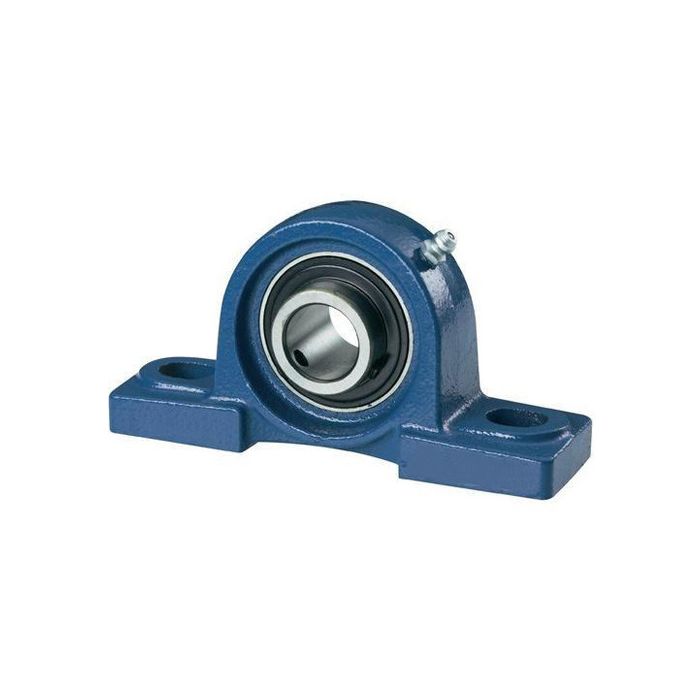
Are there different grades of UCP bearings?
Yes, there are different grades or quality levels of UCP bearings, also known as pillow block bearings. These different grades are typically determined by the manufacturing standards and the specific requirements of the application. Here’s a detailed explanation of the different grades of UCP bearings:
1. Standard Grade: Standard grade UCP bearings are manufactured to meet industry-standard specifications and performance requirements. These bearings are commonly used in general industrial applications where moderate load capacities, speeds, and operating conditions are expected. Standard grade UCP bearings provide reliable performance within their specified limits and are widely available at competitive prices.
2. High-Precision Grade: High-precision grade UCP bearings are manufactured to tighter tolerances and stricter quality control standards. These bearings are designed for applications that require precise positioning, high speeds, low noise levels, and reduced vibration. High-precision UCP bearings are commonly used in industries such as robotics, machine tools, medical equipment, and optical devices. They offer superior performance and improved accuracy but are typically more expensive than standard grade bearings.
3. Specialty Grade: Specialty grade UCP bearings are designed to meet specific application requirements or industry standards. These bearings may have unique features, materials, or coatings to enhance their performance in specific environments or operating conditions. Examples of specialty UCP bearings include high-temperature bearings, corrosion-resistant bearings, food-grade bearings, and bearings for extreme load or high-speed applications. Specialty grade UCP bearings are typically selected for challenging or specialized applications and may have higher costs compared to standard grade bearings.
It’s important to note that the availability of different grades of UCP bearings may vary depending on the manufacturer and supplier. Some manufacturers may offer a range of grades to accommodate various customer needs, while others may focus on specific grades or specialize in certain industries.
When selecting UCP bearings, it’s crucial to consider the specific requirements of the application, including load capacity, operating conditions, precision requirements, and budget. Consulting with bearing manufacturers, distributors, or industry experts can help in determining the appropriate grade of UCP bearings for a particular application.
Additionally, it’s recommended to follow the manufacturer’s guidelines and specifications for the installation, lubrication, and maintenance of the selected grade of UCP bearings to ensure optimal performance and longevity.
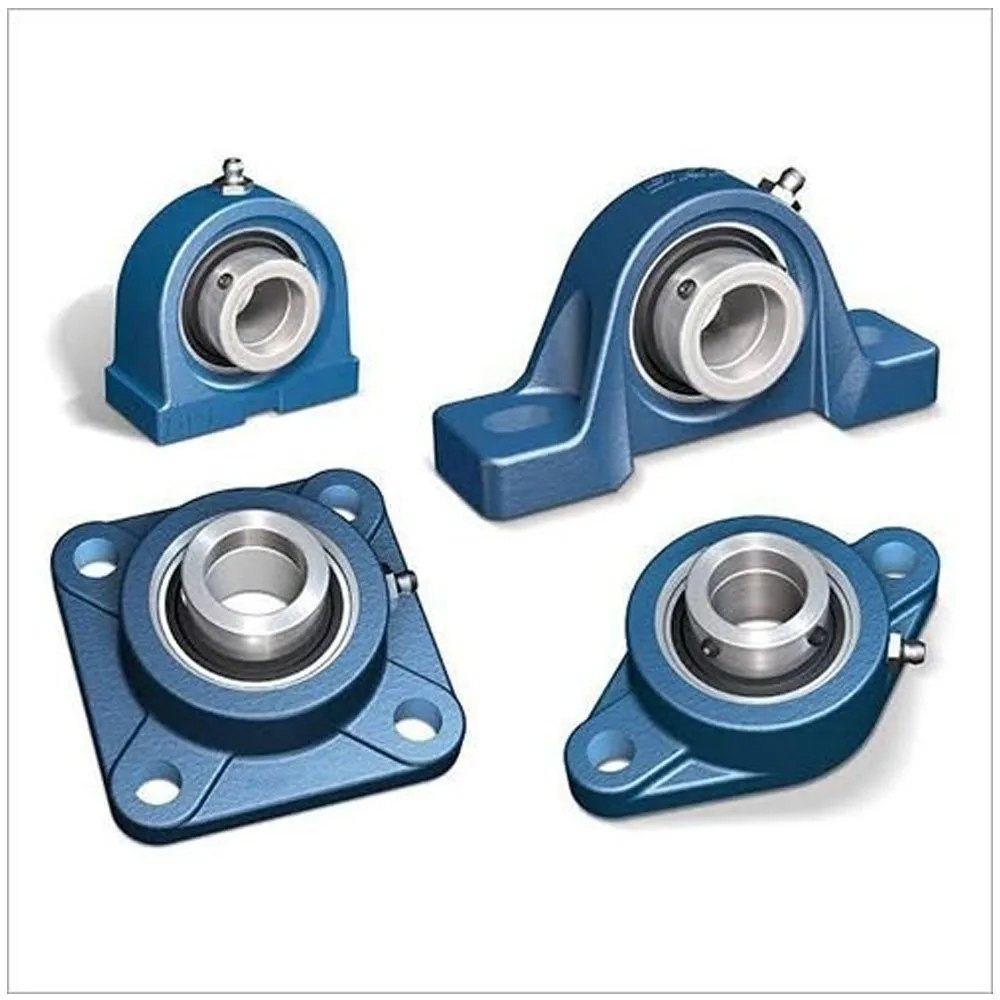
How to maintain and lubricate UCP bearings?
Proper maintenance and lubrication are essential for ensuring the optimal performance and longevity of UCP bearings, also known as pillow block bearings. Regular maintenance helps prevent premature wear, reduce friction, and minimize the risk of bearing failure. Here’s a detailed explanation of how to maintain and lubricate UCP bearings:
- Cleanliness: Keep the surrounding area clean to prevent the ingress of dirt, dust, or other contaminants that can compromise the bearing’s performance. Regularly inspect the bearing and its housing for any signs of dirt or debris and clean them using a suitable cleaning agent and a cloth.
- Lubrication: Lubrication plays a crucial role in reducing friction and preventing metal-to-metal contact within the bearing. Follow these steps for proper lubrication of UCP bearings:
- Choose the right lubricant: Select a lubricant recommended by the bearing manufacturer that suits the operating conditions and temperature range of the application. Common lubricants used for UCP bearings include grease and oil.
- Clean the bearing: Before applying fresh lubricant, clean the bearing to remove any old or contaminated lubricant. Use a suitable cleaning agent and a cloth to wipe the bearing surfaces.
- Apply lubricant: Follow the manufacturer’s guidelines to apply the lubricant to the bearing. For greased bearings, ensure that the entire cavity between the inner and outer races is filled with grease. For oil lubrication, use the appropriate oiling method, such as oil bath or oil mist, as recommended by the manufacturer.
- Reapply lubricant: Regularly monitor the lubricant level and condition. If necessary, replenish or replace the lubricant to maintain the optimal lubrication state. The frequency of lubrication depends on the operating conditions and the manufacturer’s recommendations.
- Temperature and environment: UCP bearings should operate within the recommended temperature range specified by the manufacturer. Excessive heat or extreme cold can affect the lubricant’s properties and lead to premature bearing failure. Additionally, protect the bearing from exposure to corrosive substances or excessive moisture, as these can degrade the lubricant and cause damage to the bearing surfaces.
- Regular inspections: Conduct regular inspections of the UCP bearings to identify any signs of wear, damage, or abnormal operating conditions. Look for indications such as noise, vibration, increased friction, or overheating. If any issues are detected, take corrective measures promptly, such as replacing damaged bearings or adjusting the lubrication regimen.
- Follow manufacturer guidelines: Always refer to the manufacturer’s documentation and guidelines for specific maintenance and lubrication instructions. Manufacturers often provide detailed recommendations based on their bearing designs and materials, as well as the intended applications.
By following these maintenance and lubrication practices, you can ensure the optimal performance and extend the service life of UCP bearings in your applications.
Please note that the specific maintenance and lubrication requirements may vary depending on the bearing manufacturer, design, and operating conditions. Always consult the manufacturer’s documentation and guidelines for the most accurate and detailed instructions.
How is a UCP bearing different from other types of bearings?
A UCP bearing, also known as a pillow block bearing, has distinct characteristics that set it apart from other types of bearings. While bearings serve the common purpose of facilitating motion and reducing friction, UCP bearings have specific design features that make them unique. Here’s a detailed explanation:
1. Pillow Block Design: One key difference is the design of the housing. UCP bearings have a pillow block design, which refers to the shape of the housing. The housing is typically a solid, one-piece structure shaped like a pillow or block, with a flat base and mounting holes. This design allows for easy installation and mounting on a support structure or machine.
2. Mounted Bearing: UCP bearings are mounted bearings, meaning they are preassembled units that combine a bearing unit with a housing. The bearing unit consists of a rolling element bearing, such as a ball bearing or a roller bearing, which enables smooth and low-friction motion. The housing provides support and protection for the bearing unit.
3. Support Structure: UCP bearings are commonly used in applications where a shaft needs to be supported and allowed to rotate or move linearly. The housing of a UCP bearing serves as a support structure for the bearing unit and provides a stable platform for the shaft to operate.
4. Easy Installation: UCP bearings are designed for easy installation. The housing’s flat base and pre-drilled mounting holes allow for straightforward attachment to a support structure or machine. This ease of installation simplifies the setup process and reduces downtime.
5. Application Versatility: UCP bearings are widely used in various applications across different industries. They are commonly found in conveyor systems, agricultural machinery, industrial equipment, HVAC systems, and more. The versatility of UCP bearings makes them suitable for a range of motion control and power transmission applications.
6. Specific Load Capacity: UCP bearings have specific load capacity ratings depending on the type and size of the bearing unit used within the UCP assembly. These bearings can support both radial and axial loads, allowing them to accommodate different load requirements in various applications.
7. Protection and Contamination Resistance: The housing of a UCP bearing provides protection to the bearing unit against contaminants, moisture, and other external elements. This helps extend the bearing’s service life and maintain its performance in challenging operating conditions.
8. Alignment Compensation: UCP bearings often have self-aligning capabilities. This means they can compensate for minor misalignments between the shaft and the housing. The ability to accommodate slight misalignments reduces stress and wear on the bearing, enhancing its reliability and longevity.
It’s important to note that UCP bearings are just one type of bearing available in the market. Other types, such as deep groove ball bearings, spherical roller bearings, cylindrical roller bearings, and tapered roller bearings, have their own unique designs and applications. The selection of the most suitable bearing type depends on factors such as the specific application requirements, load conditions, operating speeds, and environmental considerations.
In summary, UCP bearings, with their pillow block design, mounted bearing configuration, easy installation, versatility, load capacity, protection features, and alignment compensation capabilities, offer distinct advantages in motion control and power transmission applications.


editor by lmc 2024-11-22