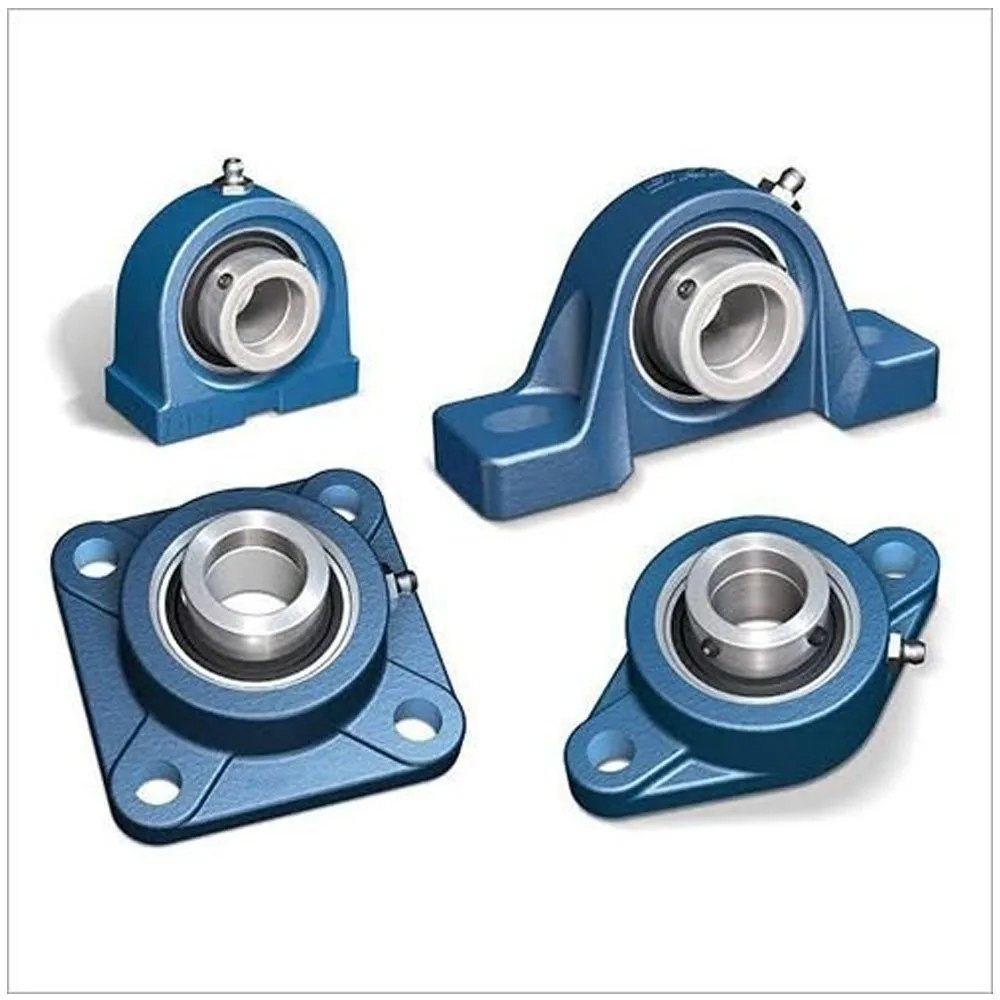
How long do UCP bearings last?
The lifespan of UCP bearings, also known as pillow block bearings, can vary depending on several factors. Here’s a detailed explanation of the factors that can influence the longevity of UCP bearings:
- Operating Conditions: The operating conditions play a significant role in the lifespan of UCP bearings. Factors such as the load magnitude, speed, temperature, and environmental conditions can impact the bearing’s performance and durability. Bearings operating under heavy loads, high speeds, or in harsh environments may experience increased wear and fatigue, potentially reducing their lifespan.
- Maintenance and Lubrication: Proper maintenance practices, including regular inspection, cleaning, and lubrication, can significantly extend the lifespan of UCP bearings. Adequate lubrication forms a protective film between the rolling elements and the bearing races, reducing friction and wear. Insufficient or improper lubrication can lead to increased friction, heat generation, and premature failure of the bearings.
- Quality and Material: The quality and material composition of UCP bearings can influence their lifespan. Bearings made from high-quality materials, such as stainless steel or chrome steel, are generally more resistant to wear, corrosion, and fatigue. Careful selection of UCP bearings from reputable manufacturers, considering factors like load ratings and performance specifications, can contribute to longer bearing life.
- Installation and Alignment: Proper installation and alignment of UCP bearings are critical for their longevity. Ensuring correct shaft and housing fits, accurate alignment of the bearing components, and appropriate tightening of locking mechanisms help distribute loads evenly and prevent excessive stress or misalignment. Improper installation can lead to premature wear, increased friction, and reduced bearing life.
- Application-Specific Factors: The specific application in which UCP bearings are used can influence their lifespan. Factors like shock loads, vibration, contamination, and the presence of corrosive substances can affect bearing performance and durability. Adequate protection measures, such as seals or shields, can help mitigate these factors and prolong bearing life.
Given these factors, it can be challenging to provide an exact lifespan for UCP bearings. In some applications, UCP bearings can last for many years or even decades if properly maintained and operated within their specified limits. However, in demanding or unfavorable conditions, the lifespan of UCP bearings may be shorter, requiring more frequent inspection and replacement.
It’s important to monitor the condition of UCP bearings regularly and look for signs of wear, damage, or performance degradation. Any unusual noise, excessive vibration, increased temperature, or other signs of bearing failure should be addressed promptly to avoid further damage to the bearings and the machinery they support.
Consulting the manufacturer’s documentation, maintenance guidelines, or seeking advice from bearing experts can provide more specific information regarding the expected lifespan of UCP bearings in a particular application or operating environment.
How to maintain and lubricate UCP bearings?
Proper maintenance and lubrication are essential for ensuring the optimal performance and longevity of UCP bearings, also known as pillow block bearings. Regular maintenance helps prevent premature wear, reduce friction, and minimize the risk of bearing failure. Here’s a detailed explanation of how to maintain and lubricate UCP bearings:
- Cleanliness: Keep the surrounding area clean to prevent the ingress of dirt, dust, or other contaminants that can compromise the bearing’s performance. Regularly inspect the bearing and its housing for any signs of dirt or debris and clean them using a suitable cleaning agent and a cloth.
- Lubrication: Lubrication plays a crucial role in reducing friction and preventing metal-to-metal contact within the bearing. Follow these steps for proper lubrication of UCP bearings:
- Choose the right lubricant: Select a lubricant recommended by the bearing manufacturer that suits the operating conditions and temperature range of the application. Common lubricants used for UCP bearings include grease and oil.
- Clean the bearing: Before applying fresh lubricant, clean the bearing to remove any old or contaminated lubricant. Use a suitable cleaning agent and a cloth to wipe the bearing surfaces.
- Apply lubricant: Follow the manufacturer’s guidelines to apply the lubricant to the bearing. For greased bearings, ensure that the entire cavity between the inner and outer races is filled with grease. For oil lubrication, use the appropriate oiling method, such as oil bath or oil mist, as recommended by the manufacturer.
- Reapply lubricant: Regularly monitor the lubricant level and condition. If necessary, replenish or replace the lubricant to maintain the optimal lubrication state. The frequency of lubrication depends on the operating conditions and the manufacturer’s recommendations.
- Temperature and environment: UCP bearings should operate within the recommended temperature range specified by the manufacturer. Excessive heat or extreme cold can affect the lubricant’s properties and lead to premature bearing failure. Additionally, protect the bearing from exposure to corrosive substances or excessive moisture, as these can degrade the lubricant and cause damage to the bearing surfaces.
- Regular inspections: Conduct regular inspections of the UCP bearings to identify any signs of wear, damage, or abnormal operating conditions. Look for indications such as noise, vibration, increased friction, or overheating. If any issues are detected, take corrective measures promptly, such as replacing damaged bearings or adjusting the lubrication regimen.
- Follow manufacturer guidelines: Always refer to the manufacturer’s documentation and guidelines for specific maintenance and lubrication instructions. Manufacturers often provide detailed recommendations based on their bearing designs and materials, as well as the intended applications.
By following these maintenance and lubrication practices, you can ensure the optimal performance and extend the service life of UCP bearings in your applications.
Please note that the specific maintenance and lubrication requirements may vary depending on the bearing manufacturer, design, and operating conditions. Always consult the manufacturer’s documentation and guidelines for the most accurate and detailed instructions.
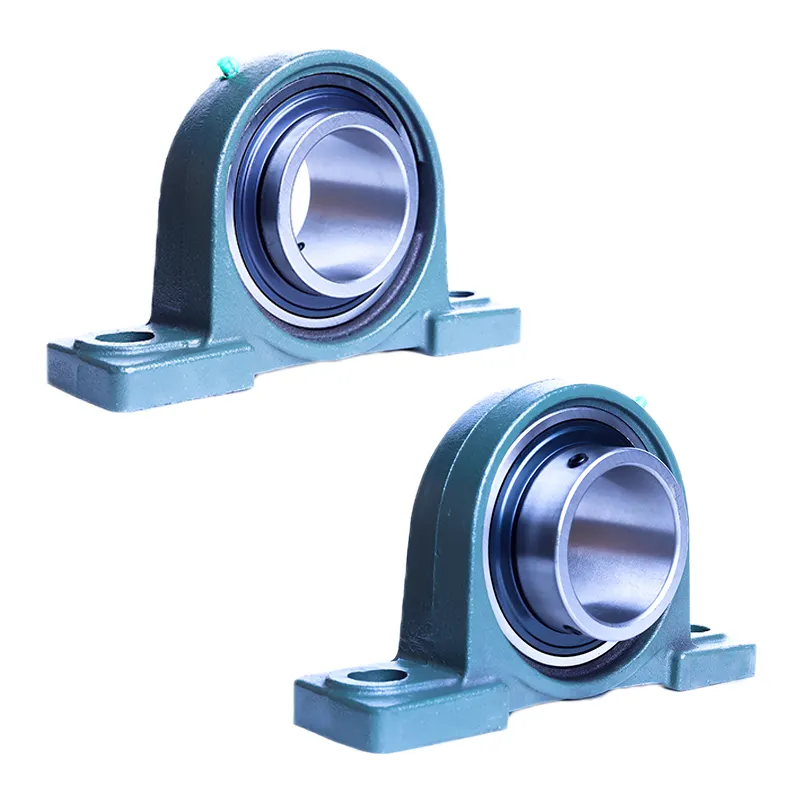
What are the dimensions of standard UCP bearings?
Standard UCP bearings, also known as pillow block bearings, come in various sizes and configurations to accommodate different shaft diameters. The dimensions of UCP bearings are typically specified by the bore diameter, overall length, width, and mounting hole spacing. Here’s a detailed explanation of the dimensions commonly associated with standard UCP bearings:
- Bore Diameter: The bore diameter refers to the inner diameter of the bearing, which determines the size of the shaft that can be accommodated. Standard UCP bearings are available in a range of bore diameters, such as 20 mm, 25 mm, 30 mm, 35 mm, 40 mm, 45 mm, 50 mm, and larger. The specific bore diameter required for your application will depend on the size of the shaft you are working with.
- Overall Length: The overall length of a UCP bearing refers to the distance between the outermost points of the bearing’s housing. It includes the length of the bearing itself and any additional extensions or flanges that may be present. The overall length can vary depending on the specific design and manufacturer, but it is typically standardized within certain size ranges.
- Width: The width of a UCP bearing refers to the measurement from one side of the bearing to the opposite side. It represents the thickness of the bearing’s housing. Similar to the overall length, the width can vary depending on the specific design and manufacturer, but it is often standardized within certain size ranges.
- Mounting Hole Spacing: UCP bearings have mounting holes on their base or flange, which are used to secure the bearing to a mounting surface. The mounting hole spacing refers to the distance between the centers of the mounting holes. This dimension is crucial for proper installation and compatibility with the corresponding mounting arrangement.
It’s important to note that the dimensions of UCP bearings can vary between manufacturers and series. Therefore, it is essential to consult the specific manufacturer’s documentation or product specifications to obtain accurate and detailed information about the dimensions of a particular UCP bearing model.
In summary, the dimensions of standard UCP bearings include the bore diameter, overall length, width, and mounting hole spacing. These dimensions can vary depending on the specific design and manufacturer. Refer to the manufacturer’s documentation for precise information on the dimensions of a particular UCP bearing model.


editor by lmc 2024-11-21