Metric vs Inch Bore Pillow Block Bearings: What US Buyers Need to Know
A metric UCP bearing and an inch-bore UCP variant can use the same housing family while fitting different shafts. That makes the suffix easy to overlook in purchasing systems, especially when the nominal sizes are numerically close.
The key rule is simple: measure the shaft in its native unit and order the complete part number. Twenty-five millimetres is not one inch; 25 mm is about 0.9843 inch, while 1 inch is 25.4 mm.
How inch-bore suffixes work
Inch-oriented insert-bearing suffixes are commonly expressed in sixteenths of an inch. A “-16” suffix corresponds to 16/16 inch, or 1 inch. A “-19” suffix corresponds to 19/16 inch, or 1-3/16 inch. The housing may remain in the same nominal size family while the insert bore changes.
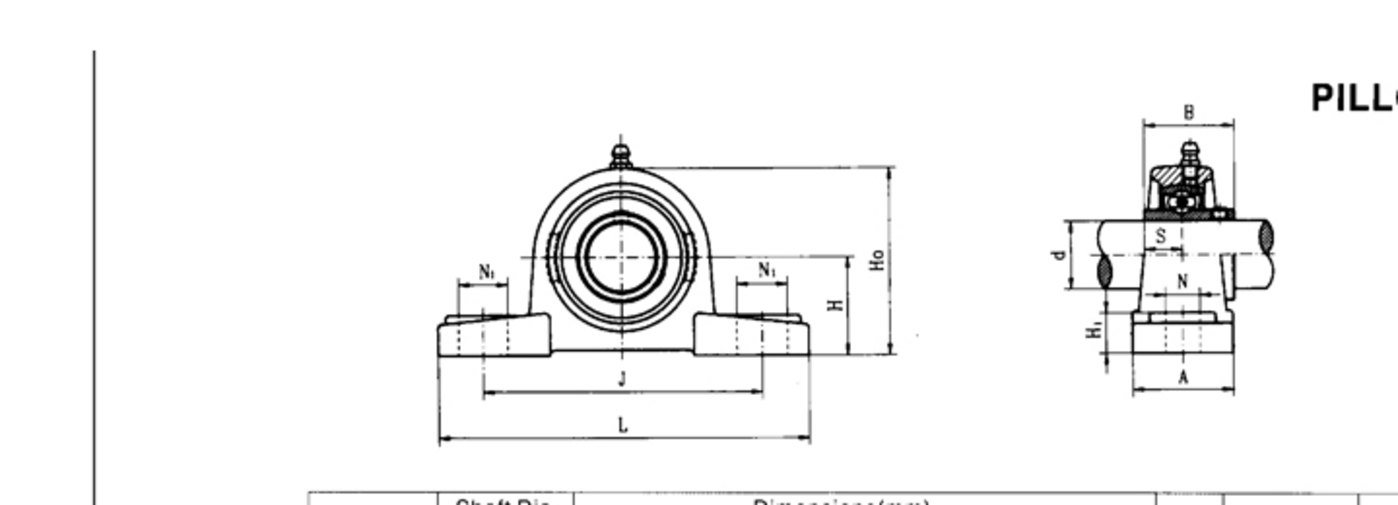
Examples from the supplied UCP range
| Model | Bore |
|---|---|
| EP-UCP205 | 25 mm metric |
| EP-UCP205-16 | 1 in = 25.4 mm |
| EP-UCP206 | 30 mm metric |
| EP-UCP206-18 | 1-1/8 in |
| EP-UCP206-19 | 1-3/16 in |
| EP-UCP206-20 | 1-1/4 in |
| EP-UCP207-20 | 1-1/4 in variant in the 207 housing family |
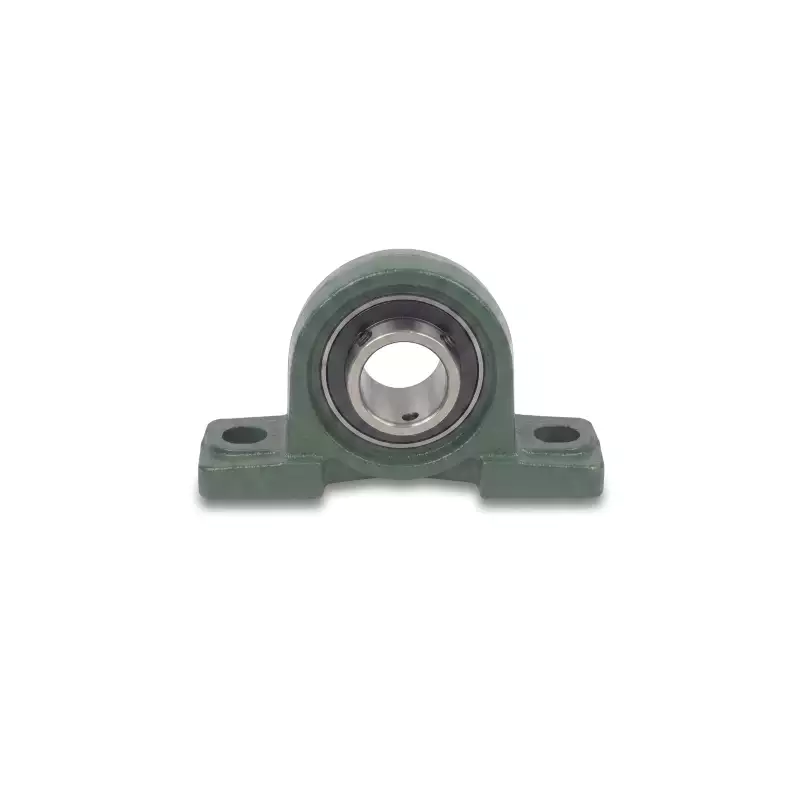
Why “close enough” is not acceptable
A 25 mm insert on a 1-inch shaft is not a correct fit, and forcing a mismatched bore can damage the insert, shaft or locking system. The same warning applies when a technician converts a worn inch shaft measurement into the nearest metric size from memory.
When US equipment uses metric shafts
US plants and OEMs increasingly operate globally sourced machinery, so metric shafts are common alongside legacy inch equipment. Do not infer the shaft standard from the machine location. Use the actual drawing or measurement.
How to order an inch-bore bearing correctly
- Measure the shaft with a suitable gauge or micrometer.
- Write the complete model including the dash suffix.
- Confirm the housing dimensions if the complete unit is being replaced.
- Keep the existing insert/housing marking in the RFQ when available.
- For a cross-reference, compare locking, seal and insert width in addition to bore.
Metric-to-inch replacement is a machine decision
If a machine is intentionally being converted from metric to inch or vice versa, review the shaft, keys, couplings, spacers and every bearing support on that shaft line. The bearing bore is only one interface in the conversion.
A close conversion is still the wrong fit
US equipment often mixes inch shafts with metric imported machinery. The difference between 25 mm and 1 inch is only 0.4 mm, but that is too large to treat as the same bearing bore. Measure the shaft directly and use the exact inch suffix or metric model in the purchase order.
Keep the suffix with the model
An inch-bore suffix is part of the product identity. Store EP-UCP205-16 (for an applicable 1-inch variant) as a complete code rather than shortening it to “UCP205.” The same principle applies to flange and other housed units: the housing family may look familiar while the insert bore differs.
Replacement measurement checklist
Measure shaft diameter, centre height or flange pitch, housing footprint, insert width and locking method. Add the complete old model and a photo. If the shaft is worn where the old set screw contacted it, measure an undamaged section and decide whether shaft repair is required before fitting a new bearing.
Need a model checked against your machine? Send the dimensions with your RFQ.