How to Source Pillow Block Bearings from China: A Buyer’s Complete Guide
Buying pillow-block bearings from China can widen the supplier pool and create commercial alternatives, but the useful comparison is not country versus country. The real question is whether a supplier can control the model, dimensions, material, inspection, packaging and communication required by your machine and purchasing process.
A disciplined sourcing process therefore begins with a technical RFQ and evidence checks before price comparison.
Know what type of supplier you are dealing with
A trading company can provide a broad catalogue across many factories. A focused bearing manufacturer may offer deeper control of a narrower product range. A brand-owning exporter can sit between those models by combining direct product specialization with export documentation and packaging support. The label alone is not proof of capability; ask how the quoted bearing is produced, inspected and identified.
Build the RFQ around the machine
For a standard UCP requirement, include full model, shaft size, metric/inch designation, quantity and destination. For a replacement, add centre height, bolt spacing and housing envelope. For food, mining or agricultural duty, include contamination, washdown, shock, temperature and lubrication access.
For custom work, attach a drawing and identify which dimensions are critical rather than asking the supplier to infer them from a photograph.
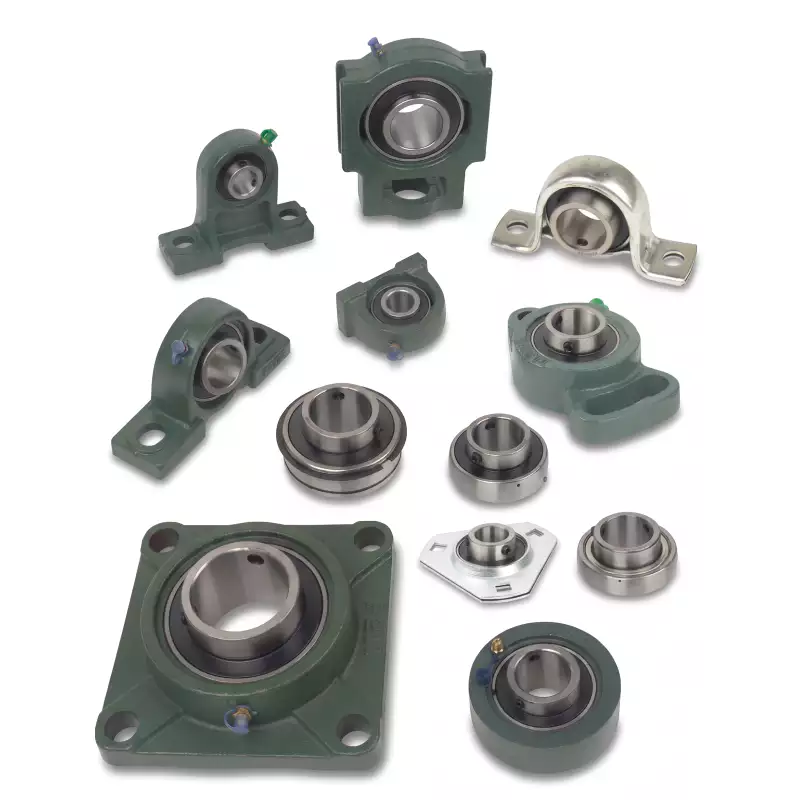
Evaluate technical evidence
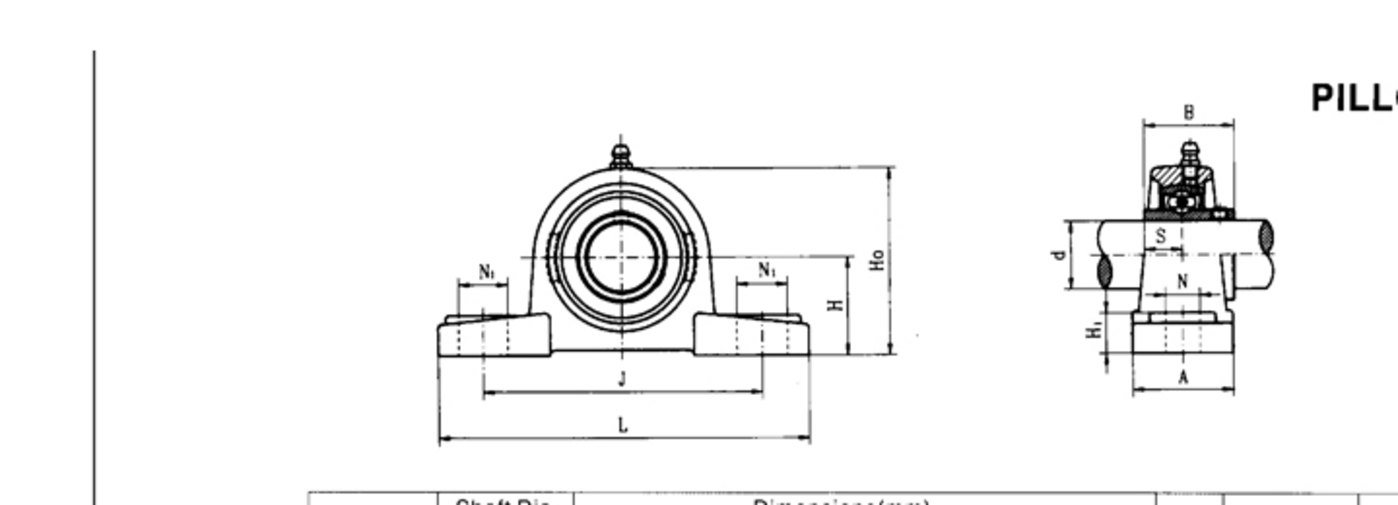
Request the dimensional drawing and the inspection or material records your organization actually needs. If a quality-management certificate is a purchasing requirement, ask for the current certificate and verify its scope rather than accepting a logo on a sales page. For an unfamiliar supplier, sample inspection or third-party inspection can reduce risk before a larger order.
Compare quotations on the same scope
| Quotation item | Why it must be aligned |
|---|---|
| Exact model / bore | Avoid comparing metric and inch variants as if identical |
| Housing / insert material | Different materials change cost and environment suitability |
| Seal / lubrication | Can change service behavior |
| Inspection documentation | Adds work that should be quoted consistently |
| Packaging / marking | Important for OEM and distributor supply |
| Shipping term / destination | Commercial price is not comparable without the same scope |
Samples and incoming inspection
A sample is useful when you measure the dimensions that matter rather than merely checking appearance. Verify bore, centre height or flange pattern, bolt spacing, insert width, locking hardware, seal arrangement and free rotation. Keep the approved sample or inspection record as the reference for later receipts.
Shipping and customs planning
Choose commercial terms and transport according to volume, urgency and your company’s import process. Exact tariff classification, duties and regulatory obligations can depend on product form and destination, so confirm them with your customs broker or importer of record instead of relying on a generic bearing article.
A practical purchasing sequence
- Send a dimensioned RFQ and required documentation list.
- Review the supplier drawing and resolve technical questions before price approval.
- Inspect a sample or first-off item when the application warrants it.
- Confirm packaging, marking, commercial term and shipping destination in the order documents.
- Perform incoming inspection against the approved dimensions and identification record.
Evaluate the technical package, not only the quote
A sourcing comparison is strongest when every supplier quotes the same controlled input: model or drawing, shaft size, housing dimensions, material / sealing requirements, quantity, packaging and documentation. Ask for a dimensional table or drawing that can be compared with the machine. This exposes differences that a simple “UCP205” line item may hide.
Supplier evaluation checklist
| Buyer check | What to request |
|---|---|
| Product identity | Stable model / SKU and dimensional drawing |
| Quality requirement | Project-specific inspection or material records actually required |
| Sample control | Sample or first-article approval when the application is critical |
| Packaging | Label, carton, pallet and preservation requirements |
| Commercial terms | Quotation basis, quantity, Incoterm and payment terms agreed for the order |
Do not copy an import classification from a blog
Customs codes, duties and destination requirements can depend on product construction and shipment details. Use the buyer’s customs broker or current official tariff resources for the actual shipment. A sourcing article can explain what information to prepare, but it should not replace current customs advice.
Need a model checked against your machine? Send the dimensions with your RFQ.