How to Grease a Pillow Block Bearing: Lubrication Intervals, Grease Types, and Quantity
Lubrication separates rolling surfaces, helps protect against corrosion and carries heat away from the contact zone. In a housed insert bearing, lubrication also has to coexist with the seals and the grease space inside the housing, so “more grease” is not automatically better.
The right relubrication practice depends on speed, load, temperature, contamination and the exact grease already in the bearing. Treat interval tables as maintenance starting points, then adjust them using the condition of the real machine.
Prelubricated does not always mean never relubricate
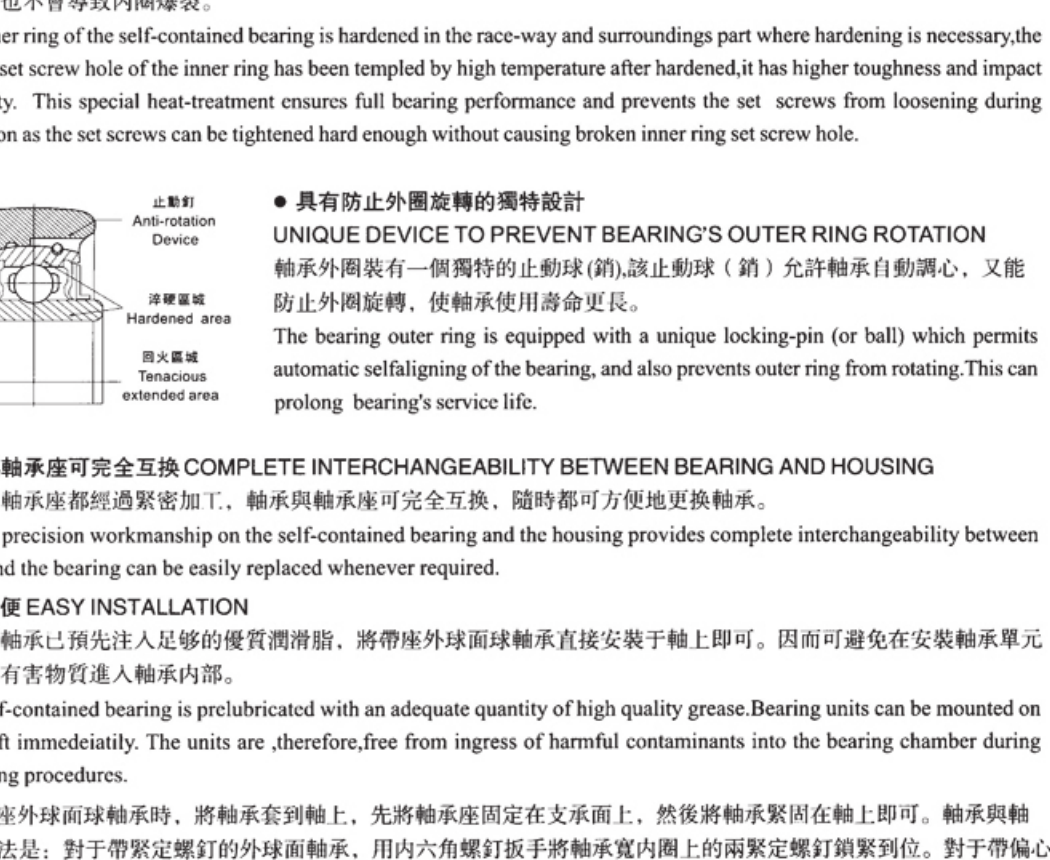
The self-contained bearings are prelubricated, and standard cast-iron housings are equipped with grease fittings for relubrication. That means initial grease is present, but severe dirt, moisture or temperature can shorten grease life enough to make periodic relubrication necessary.
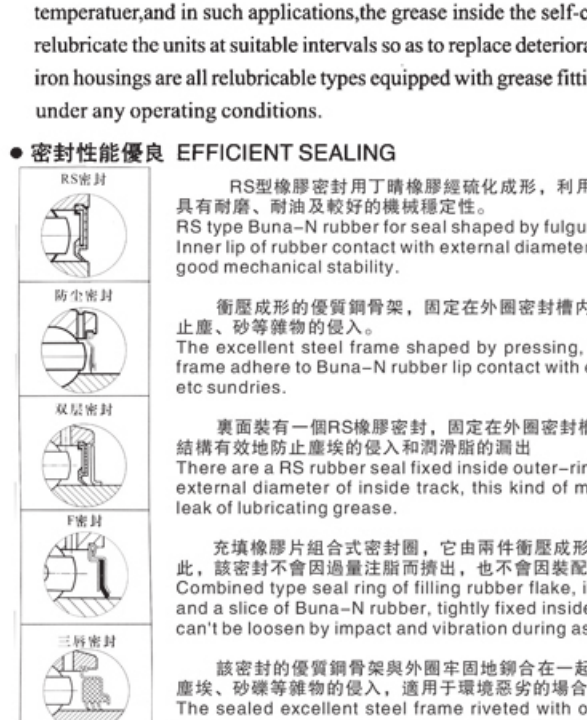
Confirm whether the ordered unit has a functional grease path before connecting a grease gun. Some sealed insert or special housing configurations may be serviced differently.
Choose a compatible grease
A general-purpose NLGI 2 lithium or lithium-complex grease is a common industrial starting point, but temperature, speed, load and water exposure can require a different product. Food-processing machines may also have lubricant-documentation requirements that must be specified for the exact application.
Do not mix greases simply because they share the same NLGI grade. Thickener and base-oil incompatibility can reduce lubrication performance.
Avoid over-packing
Over-greasing churns lubricant, increases temperature and can force grease past the seals. The planning guide uses one-third to one-half of available free space as a practical reference, but the actual quantity is configuration-specific. The maintenance technician should watch how the housing accepts grease rather than treating a generic pump count as an exact dose.
What changes the relubrication interval
| Operating factor | Effect on maintenance planning |
|---|---|
| Higher speed | Shortens grease life and increases heat sensitivity |
| Higher temperature | Accelerates lubricant ageing |
| Dust / mud / water | Raises contamination risk; interval may need to be shorter |
| High load / shock | Raises film and heat demands |
| Clean indoor duty | Often allows longer intervals |
| Long idle storage | Check corrosion and grease condition before restart |
A careful relubrication procedure
- Clean the grease fitting and the area around it before connecting the gun.
- Confirm the grease is compatible with the lubricant already in service.
- Add grease slowly while the maintenance procedure and machine safety rules permit.
- Watch for pressure rise or seal movement; stop if the housing is not accepting grease normally.
- Run the bearing under observation and wipe away excess grease that has been intentionally purged.
- Record the date, grease type and operating condition so the interval can be adjusted from evidence.
Signs that the interval is wrong
A bearing that heats immediately after greasing may be overfilled. Grease that emerges dirty or water-contaminated suggests the environment is demanding a shorter interval or better sealing. A fitting that accepts no grease may be blocked or may not connect to the intended grease path. These conditions deserve inspection before more grease is forced into the housing.
Relubrication interval is not a fixed number
Speed, temperature, load and contamination all change how quickly grease degrades. A clean, moderate-speed indoor conveyor does not need the same service interval as a dusty agricultural or mining position. Use the bearing / machine manufacturer’s interval as the starting point and shorten it when inspection shows contamination, oxidation or grease loss.
Grease compatibility matters
Adding a grease that uses an incompatible thickener or base oil can damage consistency even when each grease works well on its own. If the existing grease is unknown, identify it before mixing or plan a controlled purge / clean-out procedure appropriate to the bearing. Food or washdown applications may also impose lubricant requirements beyond mechanical lubrication performance.
Watch the bearing while greasing
Clean the fitting before attaching the grease gun and add grease slowly. If the service procedure calls for purging until fresh grease appears, monitor seal response and stop if pressure rises abnormally. After service, wipe excess grease so it does not collect abrasive dirt around the seal. A hot bearing after greasing can indicate overfill, incompatible grease or an underlying alignment issue.
Need a model checked against your machine? Send the dimensions with your RFQ.