Heavy-Duty Bearing Unit Selection for Construction & Mining Equipment
Application-based bearing unit selection from actual shaft, mounting and duty conditions.
Construction and mining machinery exposes bearing units to shock, abrasive dust, vibration, structural deflection and limited maintenance access. These conditions make “heavy duty” a design question rather than a label. The buyer needs to know which shaft is supported, how the housing is mounted, whether the position is fixed or adjustable and what failed on the current unit.
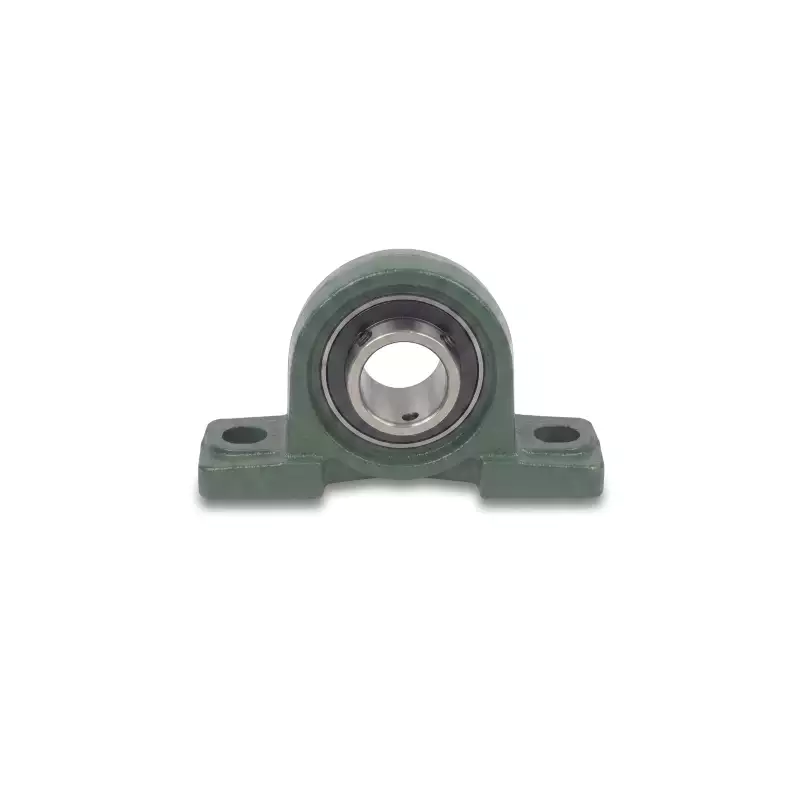
Typical machine positions and series to review
| Equipment / process | Bearing position | Series to review | Key selection checks |
|---|---|---|---|
| Mining conveyor | Head / tail pulley and take-up positions | Larger EP-UCP, EP-UCT, eccentric-lock or adapter-sleeve family | Dust, vibration, pulley load, take-up travel |
| Crusher / screener auxiliary | Drive and eccentric auxiliary shafts | Housing and locking family selected from design | Shock, vibration, shaft fit and housing rigidity |
| Concrete mixer | Drum / drive auxiliary supports | EP-UCP or flange family | Impact, contamination and frame stiffness |
| Drilling / material handling | Auxiliary rotating shafts | Pillow block / flange / adapter-sleeve family | Remote service, dust and replacement access |
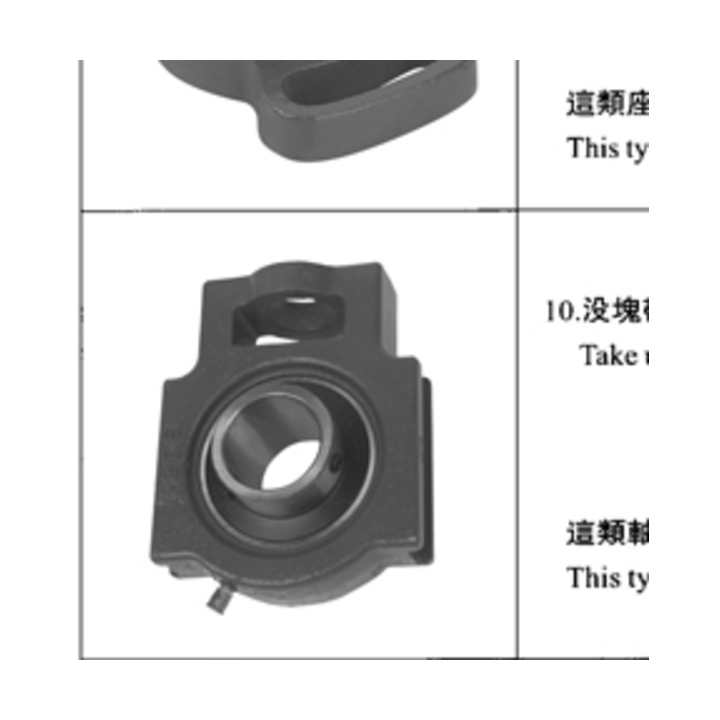
Locking and housing stiffness under shock and vibration
Eccentric-lock or adapter-sleeve families can be considered when the machine design and shaft arrangement support them; they should not be described as universally superior to set screws. A larger 300-series or heavy housing can only be justified after load and interface review. For a replacement, inspect the shaft for fretting or wear and the base for looseness before assuming the original bearing size was the sole cause of failure.
Installation and integration checks
On construction and mining equipment, installation details need to be checked at the actual shaft position: confirm the shaft is clean and within the fit required by the selected locking method. Mounting faces should be flat enough to avoid forcing the housing out of alignment. Check bolt and wrench access, guards, adjacent couplings or sprockets, grease access and whether thermal movement or frame deflection can change alignment in service. A bearing unit cannot correct severe shaft bend or a distorted machine frame.
Maintenance and failure feedback
Use vibration and temperature trends where the plant already collects them, and inspect seals, grease condition, mounting bolts and housing movement. In abrasive environments, guard design and contamination control can be as important as the bearing unit. Remote equipment should have a planned spare strategy based on approved models and actual failure criticality rather than simply carrying the largest possible bearing.
What to include in the RFQ
For bearing enquiries involving construction and mining equipment, send the machine type, current bearing model, shaft diameter, base or flange dimensions, locking method, speed/load information if available, environment, quantity and photos or drawings of the installed position. If the old unit failed, include the observed failure mode.
Frequently asked questions
Should mining equipment always use an eccentric-lock bearing?
No. The locking method depends on shaft design, direction of rotation, shock, service practice and the existing interface.
When should I review an adapter-sleeve unit?
When the machine uses a tapered-bore insert with an H-series sleeve or when that mounting method is preferred for the shaft arrangement and service procedure.
What failure details help with selection?
Photos of the shaft, insert, seals and housing; evidence of fretting, cracking, contamination, looseness or overheating; plus load/speed and mounting data.
Discuss your application
Share the shaft, mounting interface and operating conditions so the proposed bearing family can be checked against the machine.