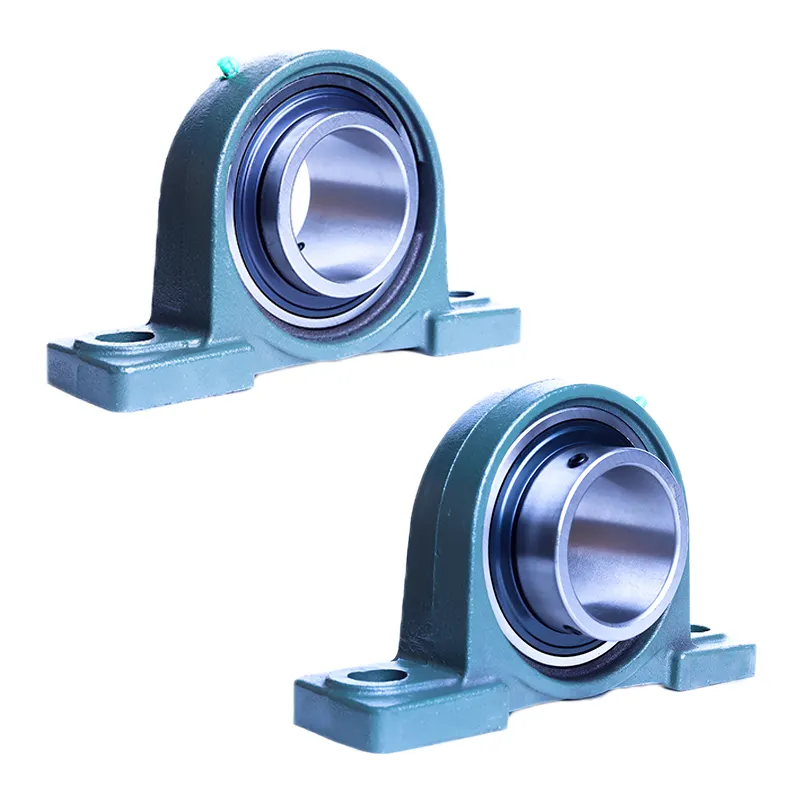
How to identify the size and specifications of a UCP bearing?
Identifying the size and specifications of a UCP bearing, also known as a pillow block bearing, requires examining various parameters and markings on the bearing itself or referring to manufacturer documentation. Here’s a detailed explanation of how to identify the size and specifications of a UCP bearing:
1. Bearing Markings: Start by inspecting the bearing for any markings or labels that provide information about its size, type, and specifications. Common markings may include the manufacturer’s logo or name, bearing model or part number, and any relevant standards or certifications. These markings can help identify the specific UCP bearing and provide a starting point for gathering further information.
2. Dimensions: Determine the dimensions of the UCP bearing, including the bore diameter (inner diameter), outer diameter, and overall width. These dimensions are typically specified in millimeters (mm) or inches (in). Measuring the bearing with calipers or using a ruler can help determine its size. Alternatively, the dimensions can be obtained from manufacturer catalogs, datasheets, or online resources.
3. Pillow Block Type: UCP bearings come in various pillow block types, such as UCP200 series or UCP300 series, which indicate different design variations and size ranges. The pillow block type is often indicated in the bearing model or part number. Identifying the specific series or type helps in selecting compatible components and determining the bearing’s load capacity and performance characteristics.
4. Load Capacity and Ratings: The load capacity and ratings of a UCP bearing are crucial specifications to consider for proper application. They indicate the maximum allowable radial and axial loads that the bearing can withstand. Load capacity information is typically provided by the manufacturer and can be found in bearing catalogs or technical documentation. It is important to ensure that the bearing’s load capacity meets the requirements of the application to prevent premature failure.
5. Lubrication: Determine the lubrication requirements of the UCP bearing. This includes identifying the recommended lubricant type, such as grease or oil, as well as the appropriate amount and frequency of lubrication. Lubrication information is often provided by the manufacturer and can be found in bearing documentation or technical specifications.
6. Sealing and Shielding: Check if the UCP bearing has any seals or shields to protect against contamination and retain lubrication. The type of seal or shield used can impact the bearing’s performance in different environments. Common seal types include rubber seals, metal shields, or labyrinth seals. The sealing arrangement may be indicated in the bearing model or part number, or it can be obtained from manufacturer documentation.
7. Manufacturer Documentation: Consult the manufacturer’s documentation, such as catalogs, datasheets, or technical manuals, for detailed information about the UCP bearing’s size, specifications, and performance characteristics. Manufacturer resources provide comprehensive information and ensure accurate identification of the bearing.
It’s important to note that the identification process may vary depending on the manufacturer and specific bearing model. If you encounter difficulties or require precise information, contacting the bearing manufacturer, distributor, or a knowledgeable expert in the field can provide further guidance and assistance in identifying the size and specifications of a UCP bearing.
Taking accurate measurements, referring to bearing markings, and utilizing manufacturer resources are key steps in correctly identifying and selecting the appropriate UCP bearing for a given application.
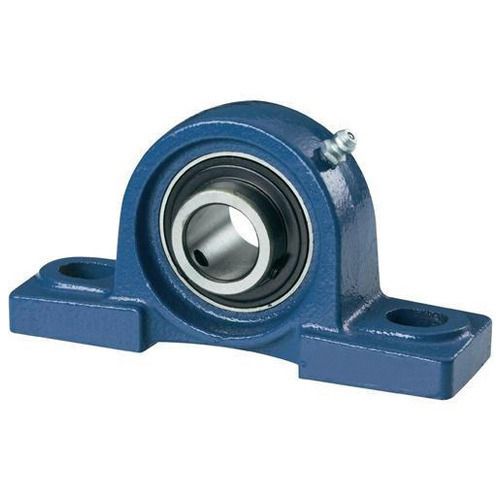
What is the price range for UCP bearings?
The price range for UCP bearings, also known as pillow block bearings, can vary depending on several factors, including the manufacturer, quality, size, material, and specific features of the bearing. Here’s a detailed explanation of the factors that influence the price range of UCP bearings:
- Manufacturer: Different manufacturers may offer UCP bearings at varying price points based on their brand reputation, manufacturing processes, and market positioning. Established and well-known bearing manufacturers often command higher prices compared to lesser-known or generic brands.
- Quality and Performance: UCP bearings that are manufactured to higher quality standards and offer superior performance characteristics may be priced higher than lower-quality alternatives. Factors such as precision, load capacity, speed rating, and durability can influence the price of the bearing.
- Size and Bore Diameter: The physical size and bore diameter of the UCP bearing can affect its price. Larger bearings or those with larger bore diameters generally require more materials and manufacturing processes, which can result in higher pricing compared to smaller bearings.
- Material: The material used for the bearing housing and the bearing insert can impact the price. UCP bearings made from materials such as cast iron, ductile iron, stainless steel, or ceramic may have different price ranges due to variations in material costs and manufacturing complexity.
- Features and Options: UCP bearings may come with additional features or options that can influence the price. These features can include specialized seals, coatings, lubrication systems, or self-aligning capabilities. Bearings with more advanced features or options may be priced higher than basic models.
Due to the various factors mentioned above, the price range for UCP bearings can vary significantly. As an estimate, the price for UCP bearings can range from a few dollars for smaller, basic models to several hundred dollars for larger, high-performance bearings with advanced features. It’s important to consider the specific requirements of your application and balance them with the available budget when selecting UCP bearings.
To get accurate and up-to-date pricing information, it’s recommended to consult with bearing suppliers, distributors, or manufacturers. They can provide you with specific pricing details based on the desired UCP bearing specifications, quantities, and any additional requirements you may have.
Keep in mind that the prices mentioned above are for general reference only, and actual prices may vary depending on the market conditions, geographical location, and other factors at the time of purchase.
Where can I buy UCP bearings?
When looking to purchase UCP bearings, there are several options available to you. Here’s a detailed explanation of where you can buy UCP bearings:
1. Local Bearing Suppliers: One of the most convenient options is to visit local bearing suppliers or distributors in your area. These suppliers specialize in providing a wide range of bearings, including UCP bearings. They typically have knowledgeable staff who can assist you in selecting the right UCP bearing for your specific application. You can search online directories or check local business listings to find nearby bearing suppliers.
2. Industrial Supply Stores: Many industrial supply stores carry a selection of bearings, including UCP bearings. These stores cater to a variety of industries and may have a dedicated section for bearings and power transmission components. Examples of such stores include Grainger, MSC Industrial Supply, and Fastenal. You can visit their physical locations or explore their online catalogs to find UCP bearings.
3. Online Marketplaces: Online marketplaces provide a convenient platform to browse and purchase UCP bearings from various sellers. Popular online marketplaces like Amazon, eBay, and Alibaba often have a wide selection of bearings available, including UCP bearings. When purchasing from online marketplaces, be sure to check the seller’s ratings and reviews to ensure reliability and product quality.
4. Bearing Manufacturers: Another option is to buy UCP bearings directly from bearing manufacturers. Many bearing manufacturers have their own websites or online stores where you can explore their product catalogs and make purchases. Some well-known bearing manufacturers include SKF, NSK, NTN, Timken, and FAG. Visiting their official websites can provide you with detailed information about their UCP bearing offerings and contact details for purchasing.
5. Specialized Bearings Retailers: There are specialized retailers that focus specifically on bearings and power transmission components. These retailers often have a wide range of bearing types and sizes, including UCP bearings. They may offer a more extensive selection and expertise in the field of bearings. Examples of specialized bearing retailers include Bearing Distributors Inc., Applied Industrial Technologies, and Motion Industries.
When purchasing UCP bearings, it’s important to consider factors such as product quality, availability, pricing, and customer support. Compare different suppliers or retailers to ensure you are getting the best value for your investment. Additionally, check if the supplier offers any warranties or guarantees on their products.
In summary, you can buy UCP bearings from local bearing suppliers, industrial supply stores, online marketplaces, bearing manufacturers, and specialized bearings retailers. Assess your specific requirements and preferences to choose the most suitable option for purchasing UCP bearings.


editor by lmc 2024-11-26