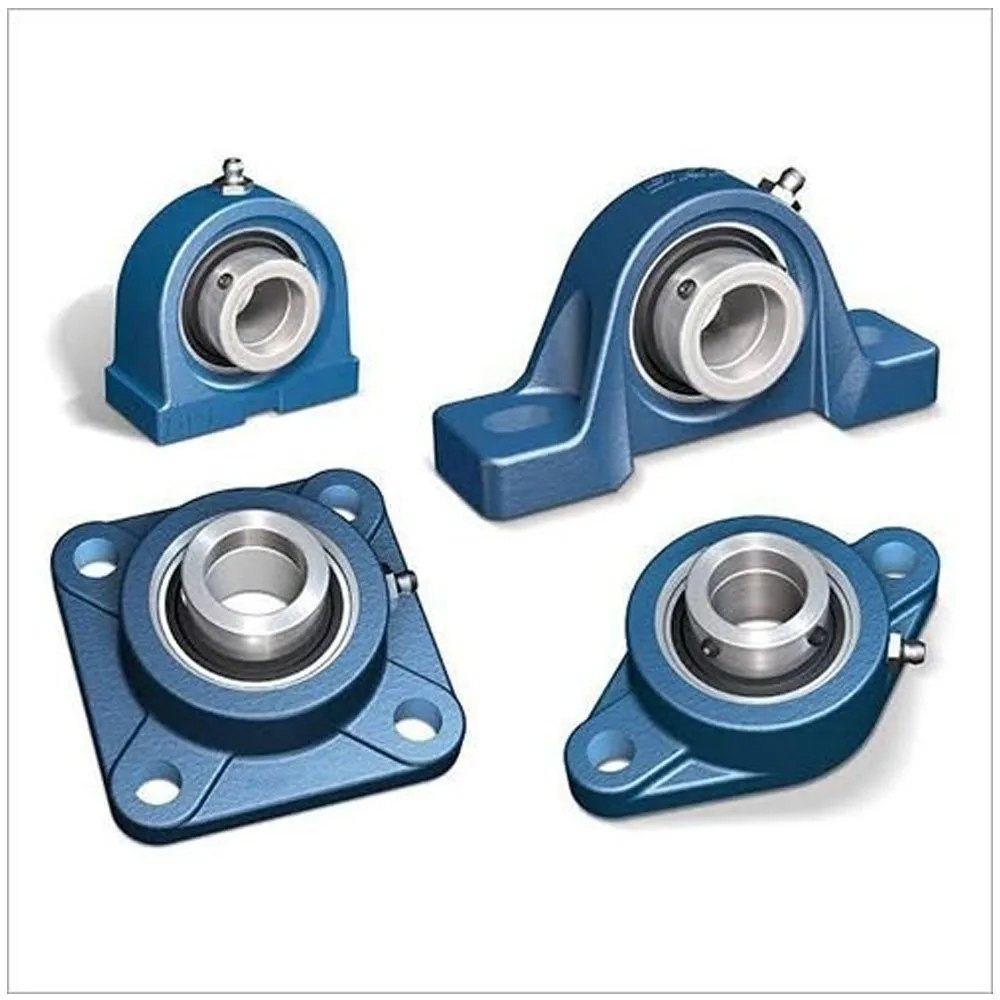
How long do UCP bearings last?
The lifespan of UCP bearings, also known as pillow block bearings, can vary depending on several factors. Here’s a detailed explanation of the factors that can influence the longevity of UCP bearings:
- Operating Conditions: The operating conditions play a significant role in the lifespan of UCP bearings. Factors such as the load magnitude, speed, temperature, and environmental conditions can impact the bearing’s performance and durability. Bearings operating under heavy loads, high speeds, or in harsh environments may experience increased wear and fatigue, potentially reducing their lifespan.
- Maintenance and Lubrication: Proper maintenance practices, including regular inspection, cleaning, and lubrication, can significantly extend the lifespan of UCP bearings. Adequate lubrication forms a protective film between the rolling elements and the bearing races, reducing friction and wear. Insufficient or improper lubrication can lead to increased friction, heat generation, and premature failure of the bearings.
- Quality and Material: The quality and material composition of UCP bearings can influence their lifespan. Bearings made from high-quality materials, such as stainless steel or chrome steel, are generally more resistant to wear, corrosion, and fatigue. Careful selection of UCP bearings from reputable manufacturers, considering factors like load ratings and performance specifications, can contribute to longer bearing life.
- Installation and Alignment: Proper installation and alignment of UCP bearings are critical for their longevity. Ensuring correct shaft and housing fits, accurate alignment of the bearing components, and appropriate tightening of locking mechanisms help distribute loads evenly and prevent excessive stress or misalignment. Improper installation can lead to premature wear, increased friction, and reduced bearing life.
- Application-Specific Factors: The specific application in which UCP bearings are used can influence their lifespan. Factors like shock loads, vibration, contamination, and the presence of corrosive substances can affect bearing performance and durability. Adequate protection measures, such as seals or shields, can help mitigate these factors and prolong bearing life.
Given these factors, it can be challenging to provide an exact lifespan for UCP bearings. In some applications, UCP bearings can last for many years or even decades if properly maintained and operated within their specified limits. However, in demanding or unfavorable conditions, the lifespan of UCP bearings may be shorter, requiring more frequent inspection and replacement.
It’s important to monitor the condition of UCP bearings regularly and look for signs of wear, damage, or performance degradation. Any unusual noise, excessive vibration, increased temperature, or other signs of bearing failure should be addressed promptly to avoid further damage to the bearings and the machinery they support.
Consulting the manufacturer’s documentation, maintenance guidelines, or seeking advice from bearing experts can provide more specific information regarding the expected lifespan of UCP bearings in a particular application or operating environment.
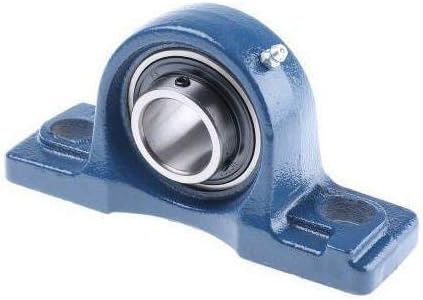
How to replace a UCP bearing?
Replacing a UCP bearing, also known as a pillow block bearing, requires careful handling and following specific steps to ensure a successful replacement. Here’s a detailed explanation of the process to replace a UCP bearing:
- Gather the necessary tools: Before starting the replacement, gather the tools you will need, including a wrench or socket set, a puller or press (if needed), cleaning materials, and the replacement UCP bearing.
- Prepare the work area: Ensure that the work area is clean and well-lit. If the machinery is still operational, shut it down and follow proper lockout/tagout procedures to prevent accidental startup during the replacement process.
- Remove any obstructions: If there are any covers, guards, or other components obstructing access to the UCP bearing, remove them carefully to expose the bearing housing.
- Loosen the locking mechanism: Use a wrench or socket set to loosen the locking mechanism that secures the UCP bearing in place. This could be a set screw, collar, or other locking device. Follow the manufacturer’s instructions to identify and release the locking mechanism.
- Remove the UCP bearing: Once the locking mechanism is loosened, the UCP bearing can be removed from the housing. Apply gentle force if necessary, but avoid excessive impacts or prying that may damage the bearing or the housing.
- Clean the housing: Thoroughly clean the housing to remove any dirt, debris, or old lubricant. Use appropriate cleaning materials and ensure that the housing is dry before installing the new UCP bearing.
- Inspect and prepare the replacement bearing: Before installing the new UCP bearing, inspect it for any signs of damage or defects. Ensure that the bore and outer surfaces are clean and free from any contaminants. If necessary, apply a suitable lubricant to the bearing per the manufacturer’s recommendations.
- Install the new UCP bearing: Carefully position the new UCP bearing into the housing, aligning the bore with the shaft. Apply even pressure to press the bearing into place, ensuring it is seated securely. Follow the manufacturer’s instructions for any specific installation requirements, such as tightening torque for the locking mechanism.
- Secure the locking mechanism: Once the new UCP bearing is installed, tighten the locking mechanism to secure it in place. Again, follow the manufacturer’s instructions for the specific tightening procedure and torque value.
- Reinstall any obstructions: Put back any covers, guards, or components that were removed earlier to restore the machinery to its original configuration.
- Test and verify: After the replacement is complete, test the machinery to ensure proper operation of the new UCP bearing. Monitor for any unusual noise, vibration, or other issues that may indicate incorrect installation or other problems.
It’s important to note that the specific steps for replacing a UCP bearing may vary depending on the machinery and the manufacturer’s recommendations. Always refer to the manufacturer’s documentation, maintenance manuals, or technical support for the most accurate and detailed instructions for your specific UCP bearing and machinery.
Additionally, if you are unsure or uncomfortable with performing the replacement yourself, it’s recommended to seek the assistance of a qualified technician or maintenance professional to ensure the proper installation and functioning of the UCP bearing.
How to install a UCP bearing?
Installing a UCP bearing, also known as a pillow block bearing, requires careful attention to ensure proper alignment and secure attachment. Here’s a detailed explanation of the steps involved in installing a UCP bearing:
- Gather the necessary tools: Before starting the installation process, gather the tools you’ll need, including a wrench or socket set, a torque wrench (if applicable), a hammer or mallet, and any additional tools specified by the bearing manufacturer.
- Prepare the mounting surface: Ensure the mounting surface is clean, flat, and free of any debris or contaminants. If necessary, use a cleaning agent and a cloth to remove dirt or grease from the surface. This will provide a stable foundation for the UCP bearing.
- Inspect the bearing and housing: Before installation, inspect the UCP bearing and the housing for any damage or defects. Check for smooth rotation of the bearing and ensure the housing is free from cracks or deformations. If any issues are found, replace the bearing or housing before proceeding with the installation.
- Apply lubrication: Depending on the bearing type and manufacturer’s recommendations, apply a suitable lubricant to the bearing’s inner race or rolling elements. This will help reduce friction and ensure smooth operation.
- Position the bearing: Place the UCP bearing into the housing, ensuring it is properly aligned. The bearing should fit snugly into the housing, with the mounting holes aligned. Take care not to damage the bearing or housing during this step.
- Secure the bearing: Once the bearing is properly positioned, use the provided fasteners (typically bolts or set screws) to secure the bearing to the mounting surface. Tighten the fasteners gradually and evenly, following the manufacturer’s recommended torque specifications. Avoid over-tightening, as it can damage the bearing or cause excessive friction.
- Check alignment: After securing the UCP bearing, check its alignment with the connected shaft or other components. Ensure that the bearing is aligned properly to prevent excessive loads or misalignment issues. Make any necessary adjustments to achieve proper alignment.
- Verify smooth rotation: Rotate the connected shaft or components to verify that the UCP bearing allows smooth and unhindered motion. Ensure there are no abnormal noises, sticking, or binding. If any issues are detected, recheck the installation or consult the bearing manufacturer for guidance.
- Final checks: Once the UCP bearing is installed, perform a final inspection to ensure everything is secure and in the correct position. Double-check the tightness of the fasteners and verify that there is no excessive play or movement in the bearing assembly.
It’s important to note that the above steps provide a general guideline for installing UCP bearings. The specific installation process may vary depending on the bearing manufacturer’s instructions and any unique requirements of your application. Always refer to the manufacturer’s documentation and guidelines for the most accurate and detailed installation instructions.
In summary, installing a UCP bearing involves preparing the mounting surface, inspecting the bearing and housing, applying lubrication, positioning and securing the bearing, checking alignment, verifying smooth rotation, and conducting final checks to ensure a proper installation.


editor by lmc 2024-11-21