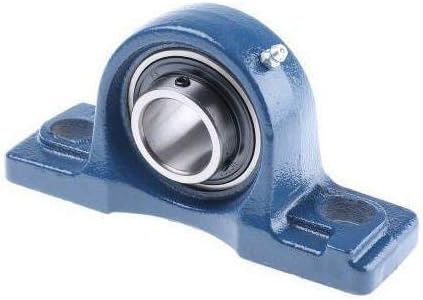
Are UCP bearings available in stainless steel?
Yes, UCP bearings are available in stainless steel variants. Stainless steel UCP bearings are specifically designed and manufactured using stainless steel materials for applications that require corrosion resistance, hygiene, or specific environmental conditions. Here’s a detailed explanation:
1. Corrosion Resistance: Stainless steel UCP bearings are highly resistant to corrosion, making them suitable for applications where exposure to moisture, chemicals, or other corrosive substances is a concern. The stainless steel material, typically AISI 304 or AISI 316, provides excellent resistance to rust and oxidation, ensuring extended service life in harsh environments.
2. Hygienic Applications: Stainless steel UCP bearings are commonly used in industries such as food and beverage, pharmaceuticals, and medical equipment, where cleanliness and hygiene are critical. These bearings are resistant to bacterial growth, easy to clean, and comply with strict industry regulations and standards for hygiene and sanitation.
3. High-Temperature Environments: Stainless steel UCP bearings can also withstand higher temperatures compared to standard UCP bearings made of other materials. This makes them suitable for applications where elevated temperatures are present, such as ovens, kilns, or high-temperature processing equipment.
4. Special Environmental Conditions: Stainless steel UCP bearings are chosen for applications in specific environmental conditions where other materials may not be suitable. For example, in outdoor or marine environments, where exposure to saltwater or corrosive gases is prevalent, stainless steel bearings offer superior resistance and durability.
Stainless steel UCP bearings typically have the same design and dimensions as standard UCP bearings, but with stainless steel materials used for the bearing components, including the inner and outer rings, balls, and cage. The sealing elements, such as seals or shields, may also be made of stainless steel or other compatible materials.
It’s important to note that stainless steel UCP bearings may have limitations in terms of load capacity and operating speed compared to their counterparts made of other materials, such as chrome steel. The specific performance characteristics and limitations of stainless steel UCP bearings may vary depending on the manufacturer and the grade of stainless steel used.
When selecting stainless steel UCP bearings, it’s essential to consider the application requirements, including load capacity, temperature range, environmental conditions, and regulatory compliance. Consulting with bearing manufacturers, distributors, or industry experts can help in determining the appropriate stainless steel UCP bearings for a particular application.
Proper installation, lubrication, and maintenance practices should also be followed to ensure optimal performance and longevity of stainless steel UCP bearings in their intended applications.
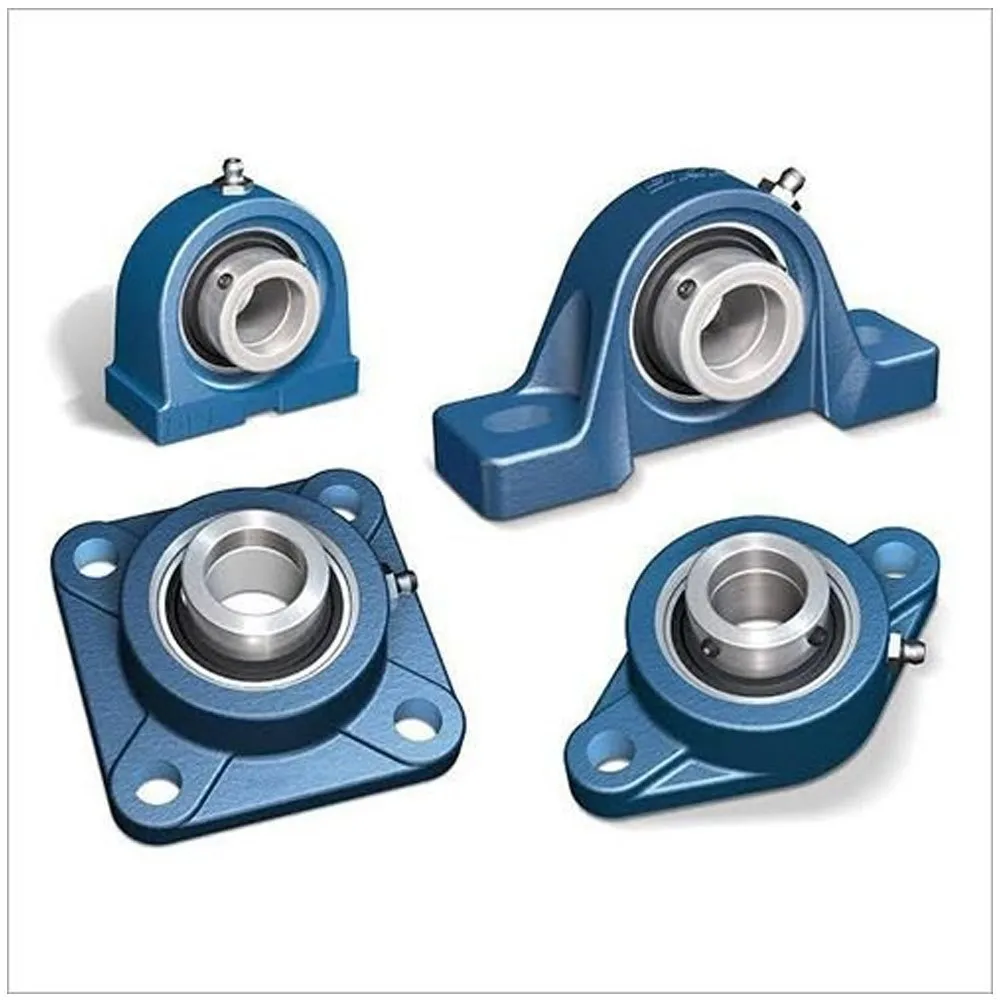
How to choose the right UCP bearing for my machinery?
Choosing the right UCP bearing, also known as a pillow block bearing, for your machinery is crucial to ensure optimal performance, reliability, and longevity. Here’s a detailed explanation of the factors to consider when selecting a UCP bearing:
- Load Requirements: Evaluate the load requirements of your machinery, including the magnitude and direction of the loads. Consider factors such as radial loads, axial loads, and moment loads. Ensure that the UCP bearing you choose has a load capacity that is suitable for the anticipated loads in your application.
- Shaft Diameter: Determine the shaft diameter of your machinery and select a UCP bearing with a corresponding bore size. The bore size of the UCP bearing should match the shaft diameter to ensure proper fit and alignment. It’s important to measure the shaft accurately and consider any potential expansion or misalignment during operation.
- Operating Conditions: Assess the operating conditions of your machinery, including factors such as speed, temperature, and environmental conditions. Choose a UCP bearing that is designed to withstand the anticipated operating conditions. Consider factors like maximum speed rating, temperature range, lubrication requirements, and resistance to contaminants or moisture.
- Sealing and Protection: Depending on the application requirements, consider whether additional sealing or protection is necessary for the UCP bearing. Seals or shields can help prevent the ingress of dirt, dust, or contaminants, prolonging the bearing’s life and reducing maintenance needs. Choose a UCP bearing with appropriate sealing options, such as rubber seals or metal shields, based on the specific environmental conditions.
- Alignment Capability: Evaluate the alignment capabilities of the UCP bearing. Some UCP bearings have self-aligning features that can compensate for minor shaft misalignment. If your machinery is prone to misalignment or has flexible shafts, consider choosing a UCP bearing with self-aligning properties to minimize excessive loads and premature wear.
- Manufacturer and Quality: Select UCP bearings from reputable manufacturers known for their quality and reliability. Consider manufacturers with a strong track record in bearing production and a wide range of product offerings. Research customer reviews, consult with industry experts, and consider the manufacturer’s reputation for producing durable and high-performance UCP bearings.
By considering these factors and choosing a UCP bearing that aligns with your machinery’s specific requirements, you can ensure optimal performance and minimize the risk of premature failures or downtime. It’s recommended to consult with bearing specialists, engineers, or the manufacturer’s technical support team for additional guidance and assistance in selecting the most suitable UCP bearing for your machinery.
Remember that the specific requirements for UCP bearings may vary depending on the application, industry, and machinery specifications. Always refer to the manufacturer’s documentation, specifications, and guidelines for the most accurate and detailed information.
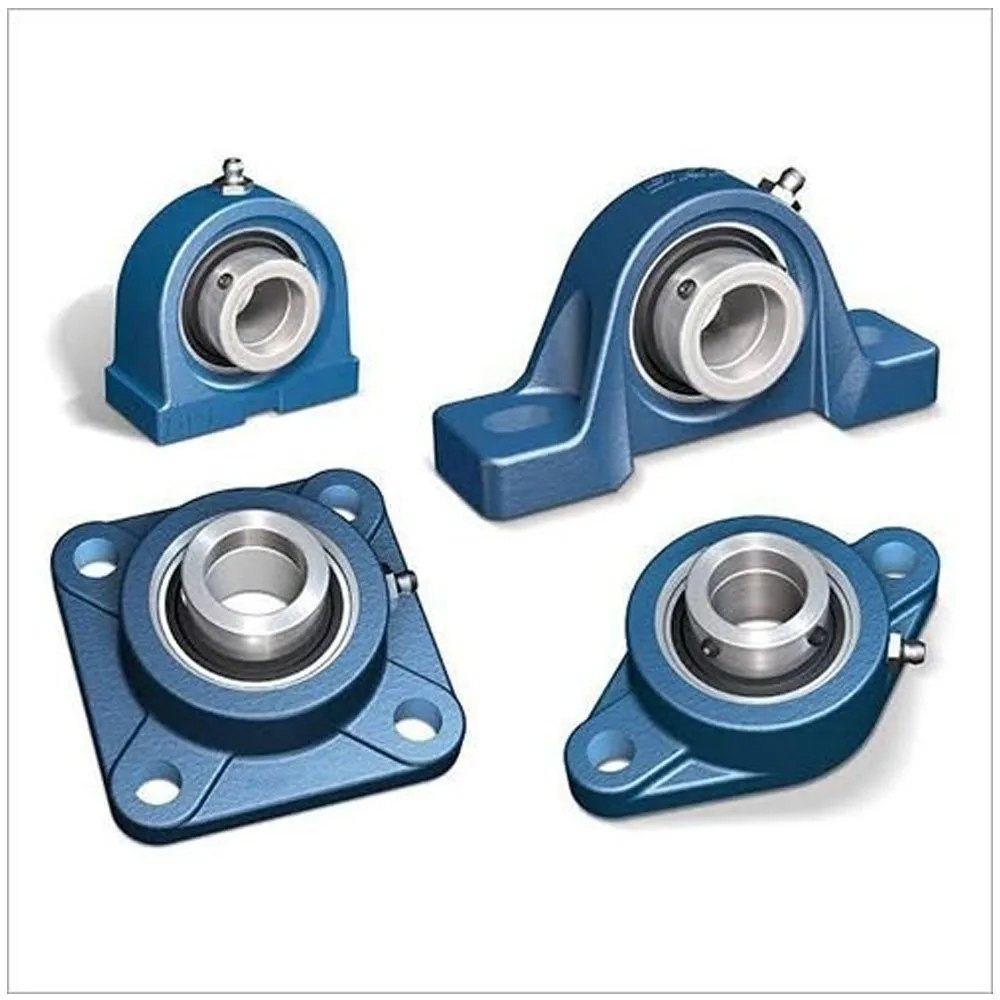
What is a UCP bearing?
A UCP bearing, also known as a pillow block bearing, is a type of mounted bearing commonly used in various industrial applications. It is designed to provide support and facilitate rotational or linear motion in machinery and equipment. Here’s a detailed explanation:
A UCP bearing consists of a bearing unit and a housing. The bearing unit typically includes a rolling element bearing, such as a ball bearing or a roller bearing, which enables smooth and low-friction motion. The housing, often made of cast iron or pressed steel, serves as a support structure for the bearing unit and provides protection against contaminants and external elements.
The term “UCP” stands for “Unit with Cast Iron Pillow Block,” referring to the common use of cast iron housings in UCP bearings. The housing is typically shaped like a pillow or block, with a flat base and mounting holes for easy installation and attachment to a machine or structure.
UCP bearings are widely used in various applications, including conveyor systems, agricultural machinery, industrial equipment, HVAC systems, and more. They offer several advantages:
- Easy Installation: UCP bearings are designed for easy installation and mounting. The housing’s flat base and pre-drilled mounting holes allow for straightforward attachment to a support structure or machine.
- Simple Maintenance: UCP bearings are relatively easy to maintain. They often feature removable bearing units, allowing for inspection, lubrication, and replacement when necessary. This simplifies maintenance tasks and reduces downtime.
- Load Support: UCP bearings are capable of supporting different loads, including radial and axial loads. The specific load capacity depends on the type and size of the bearing unit used within the UCP assembly.
- Protection and Contamination Resistance: The housing of a UCP bearing provides protection to the bearing unit against contaminants, moisture, and other external elements. This helps extend the bearing’s service life and maintain its performance.
- Alignment Compensation: UCP bearings often have self-aligning capabilities, allowing them to compensate for minor misalignments between the shaft and the housing. This feature helps reduce stress and wear on the bearing, enhancing its reliability and longevity.
UCP bearings are available in various sizes, configurations, and bearing types to accommodate different application requirements. It is important to select the appropriate UCP bearing based on factors such as load capacity, operating conditions, and environmental considerations.
In summary, a UCP bearing, or pillow block bearing, is a mounted bearing unit that provides support and facilitates motion in industrial applications. With their easy installation, maintenance convenience, load support, protection, and alignment compensation features, UCP bearings are widely used to ensure reliable and efficient operation of machinery and equipment.


editor by lmc 2024-11-20